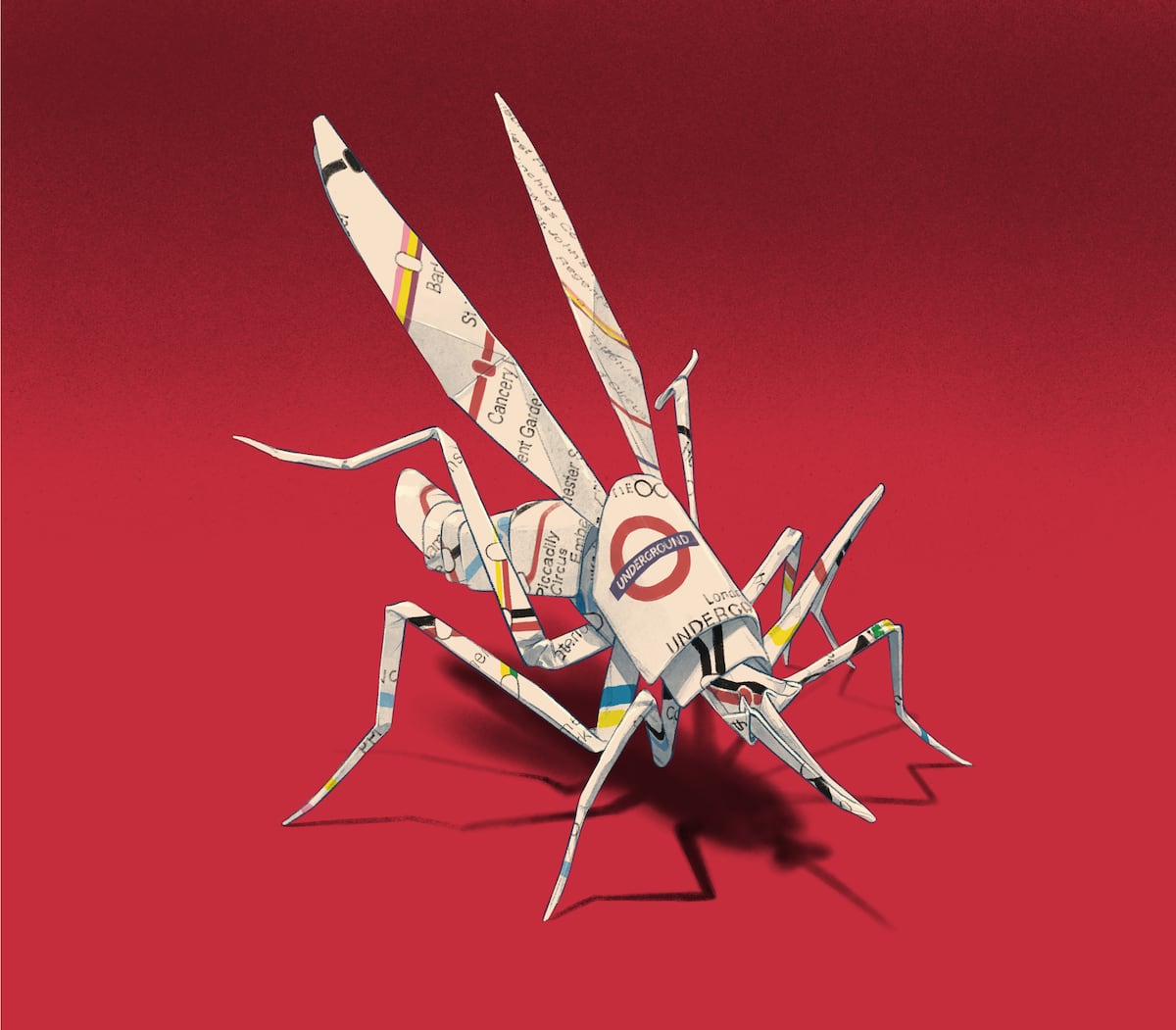
Human activities have dramatically reshaped biodiversity by causing extinctions and altering evolutionary trajectories. The onset of agriculture and animal husbandry initiated artificial selection that produced crops and livestock species absent in nature, yielding varieties like wheat, barley, domesticated goats, and corn derived from teosinte. Selective breeding also created dog breeds from wolves and introduced harmful genetic traits such as achondroplasia in short-legged breeds and respiratory issues in brachycephalic dogs. Indirect human impacts produced new ecological niches in built environments, enabling tropical cockroaches to inhabit colder climates, rats to thrive in sewers, and seagulls to specialize on landfills. Mosquito species such as Culex pipiens occur widely in temperate regions.
"With the dawn of agriculture and livestock farming, humans initiated a process that has given rise to many new species that did not exist in nature. One example is artificial selection. Grass spikes that did not shed their seeds when ripe were easier to harvest, and so we created wheat and barley. The more docile goats were less likely to escape and became domesticated. Larger seeds produced more abundant fruit. And so, generation after generation, we shaped the organisms that feed us."
"Sometimes humans influence evolution indirectly. As human activity creates new environments, some organisms can find new ecological niches more favorable than their own ecosystems. Cockroaches are a tropical insect that, thanks to the heating in our homes, have been able to colonize colder climates. Rats have found an ideal ecosystem in our sewers, not to mention seagulls, which long ago ceased to be fishing birds and have become specialists in landfills."
"Humans are undoubtedly the living species that has had the greatest impact on biodiversity. Human activity is behind the extinction of many species. At the same time, humans have contributed to altering the natural evolutionary process of many others."
Read at english.elpais.com
Unable to calculate read time
Collection
[
|
...
]