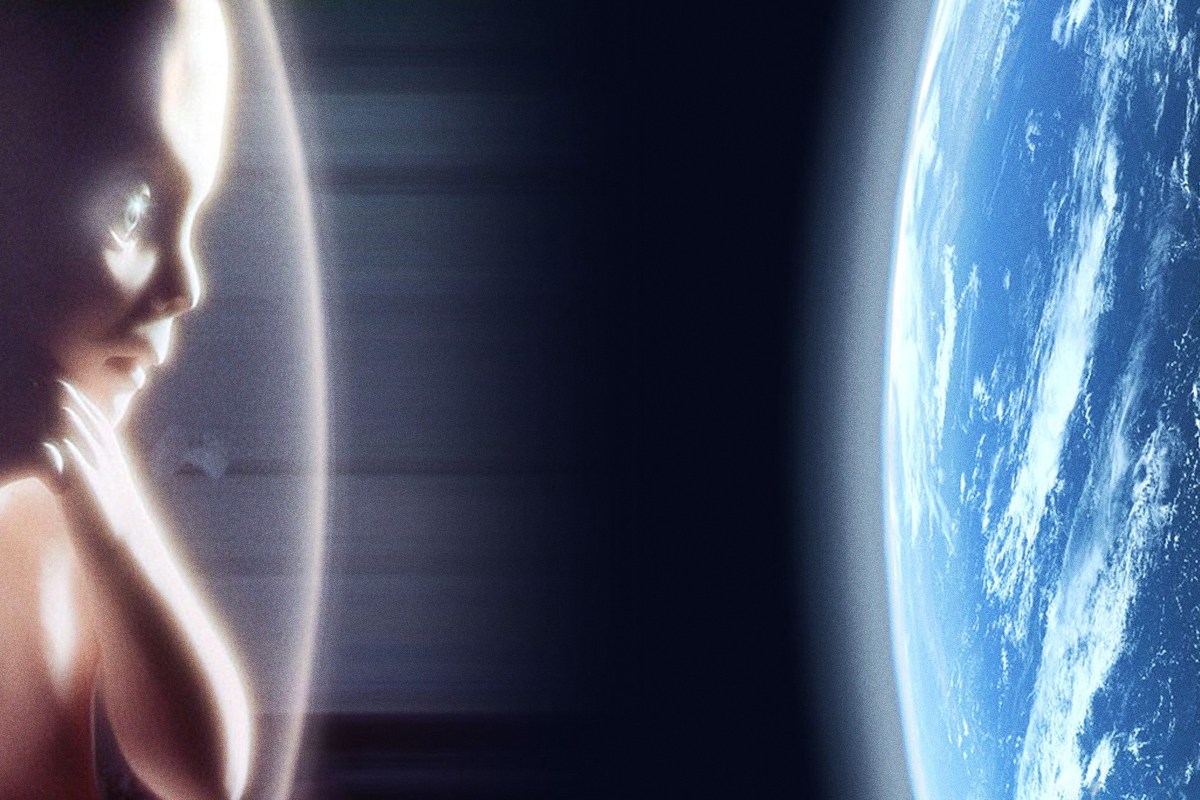
Synthetic human embryo models made from human stem cells are being sent to China’s Tiangong space station to study how early development stages respond to microgravity. The samples resemble real embryos but cannot develop into a fetus or an individual. The work aims to determine whether human biology can support off-world outposts, including potential Moon or Mars settlements. Space presents harsh conditions, including microgravity and space radiation from cosmic rays, which Earth’s atmosphere normally shields against. Prior animal studies showed embryos can develop to the blastocyst stage in space, with reported success rates lower than on Earth. Human-specific data are needed to assess feasibility for sustained reproduction beyond Earth.
"This month, China sent a batch of synthetic human embryos to its Tiangong space station, in a first-of-its-kind experiment to explore how a critical early stage of human development is affected by a microgravity environment."
"The samples are made of human stem cells and closely resemble real embryos, but aren't capable of developing into an actual fetus."
""This is not a real human embryo and does not have the ability to develop into an individual. However, it can serve as a model for studying early human development," project leader Yu Leqian, a researcher at the Chinese Academy of Sciences' Institute of Zoology, said in a statement."
"Space is a harsh environment for our bodies, even in the protective confines of a spacecraft. On top of the effects of microgravity, we have to worry about the effects of space radiation and powerful cosmic rays - phenomena we generally don't have to worry about on Earth, thanks to the protection of our hearty atmosphere."
Read at Futurism
Unable to calculate read time
Collection
[
|
...
]