"This could open up some interesting possibilities for therapeutic interventions for depression-like behaviors or maladaptive changes in motivational behaviors down the road where microglia are known to play a really important role."
"Microglia are the brain's primary immune cells that respond to injury and disease, transitioning between homeostatic and reactive cell states to regulate inflammation. However, the underlying mechanisms supporting microglia plasticity and driving these cell state transitions, which determine whether microglia promote or reduce inflammation throughout the central nervous system, have remained unclear."
"The findings suggest that inhibiting Orai1 calcium channels in microglia could modulate chronic neuroinflammation and may represent a potential therapeutic target for treating brain disorders, including depression and other neurodegenerative diseases."
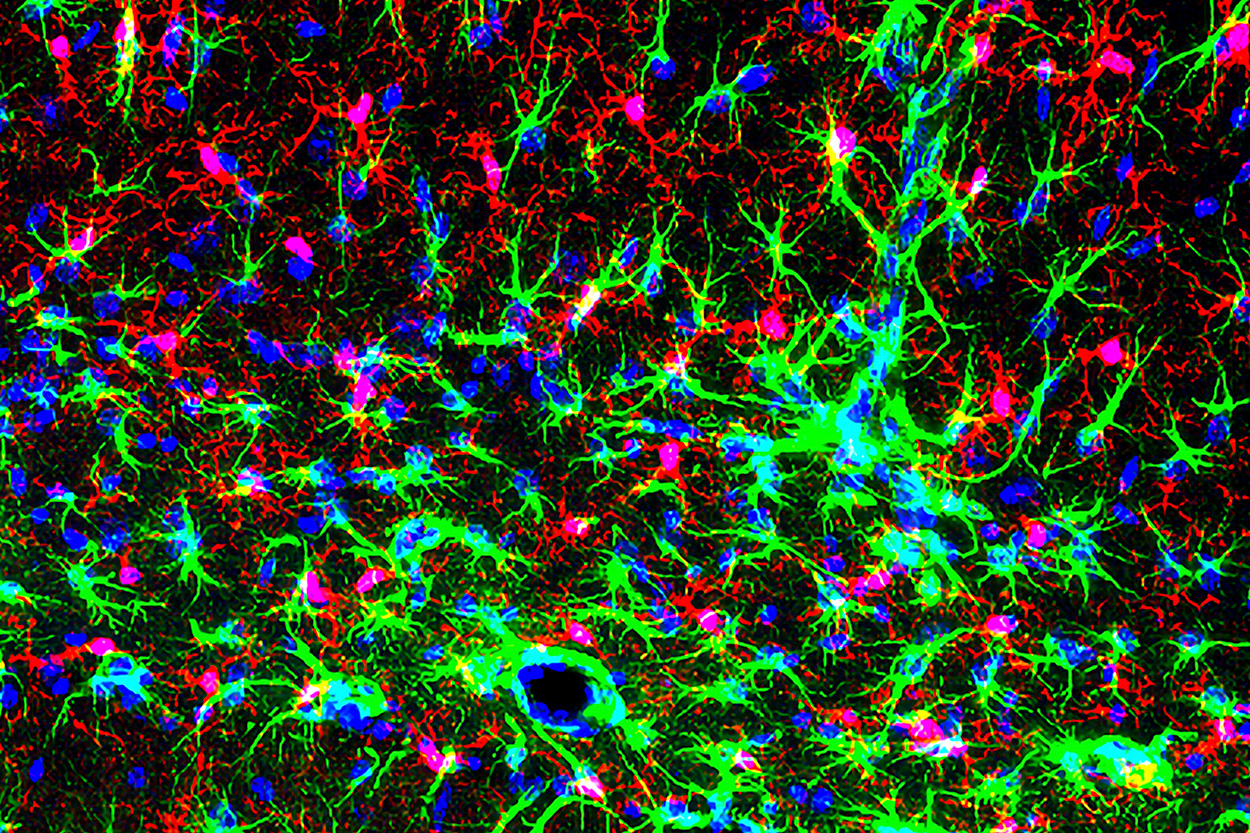
Northwestern Medicine researchers identified how calcium signaling channels in microglia regulate neuroinflammation and behaviors associated with mood disorders. Microglia, the brain's primary immune cells, transition between homeostatic and reactive states to control inflammation. The study focused on Orai1-mediated calcium signaling, which regulates gene expression, immune responses, and debris clearing. By inhibiting Orai1 calcium channels in microglia, researchers could modulate chronic neuroinflammation. This discovery suggests a potential therapeutic target for treating depression, mood disorders, and neurodegenerative diseases where microglia dysfunction plays a significant role.
Read at News Center
Unable to calculate read time
Collection
[
|
...
]