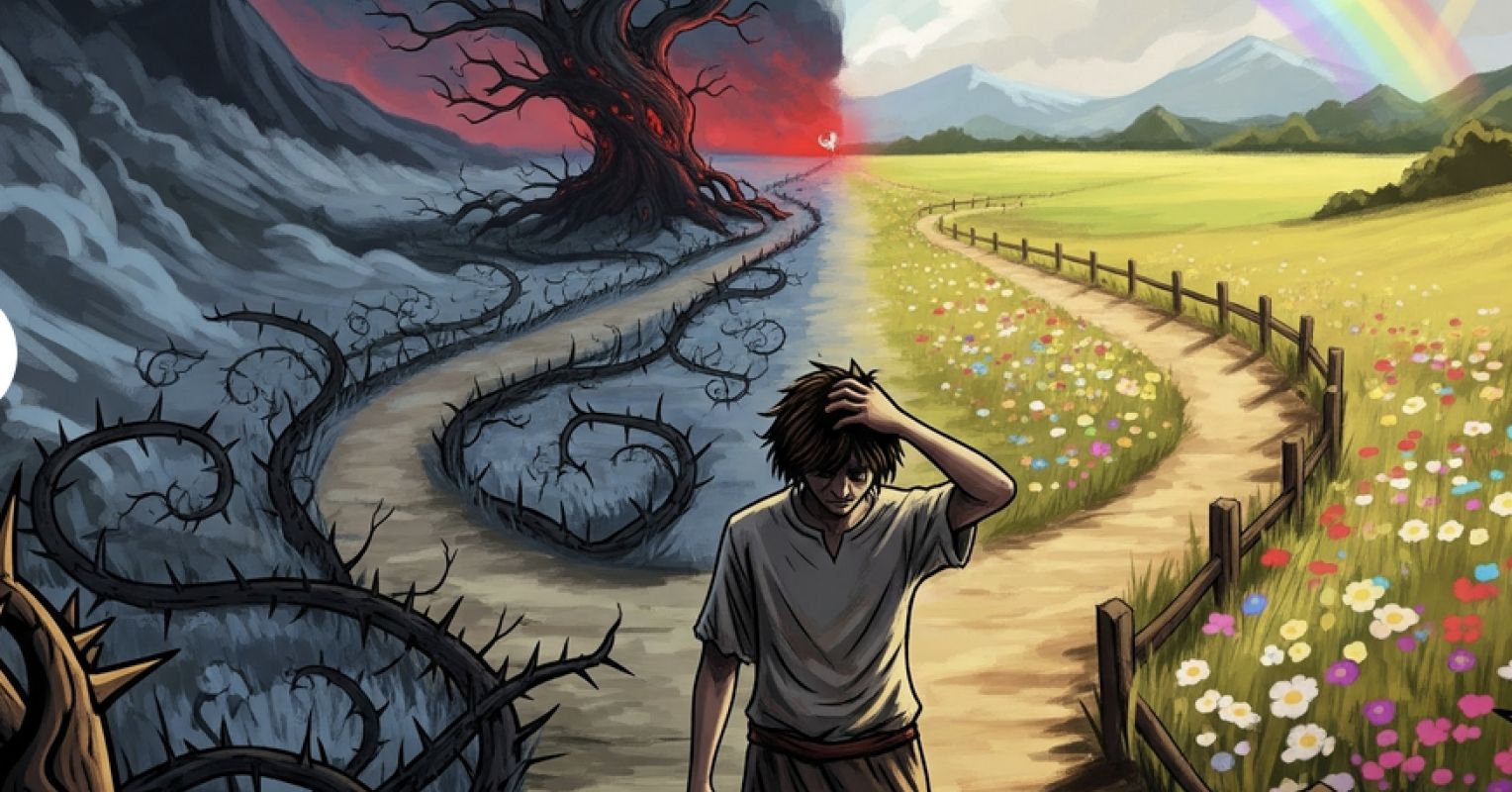
"We make judgments about other people based on the decisions they make as well as the bases of those decisions. If you find out that someone visited sick people in the hospital, you might think that they are a good person. If you find out that they only did so because someone else forced them to do it, then you might be less impressed with their character."
"that determines their judgment about someone else when they experience a decision conflict. They start by pointing out that many decision conflicts represent a difference in the outcome favored by fast, intuitive cognitive processes (that reflect what psychologists call System 1) and the outcome favored by slower, more deliberative cognitive processes (that reflect System 2). Colloquially, we can think of these as decisions made based on the heart versus the head."
People form moral and character judgments from both choices and the motives behind those choices. Many decision conflicts arise from tension between fast, intuitive preferences and slower, deliberative reasoning, often characterized as System 1 versus System 2 or heart versus head. Observers seek an inferred true self to determine which preference reflects an individual's authentic standing. All else equal, people assume that instinctual or intuitive preferences reveal the true self. That assumption shapes evaluations: when someone experiences inner conflict and chooses deliberation over instinct, observers may still attribute authenticity to the initial instinct, altering moral appraisals.
Read at Psychology Today
Unable to calculate read time
Collection
[
|
...
]