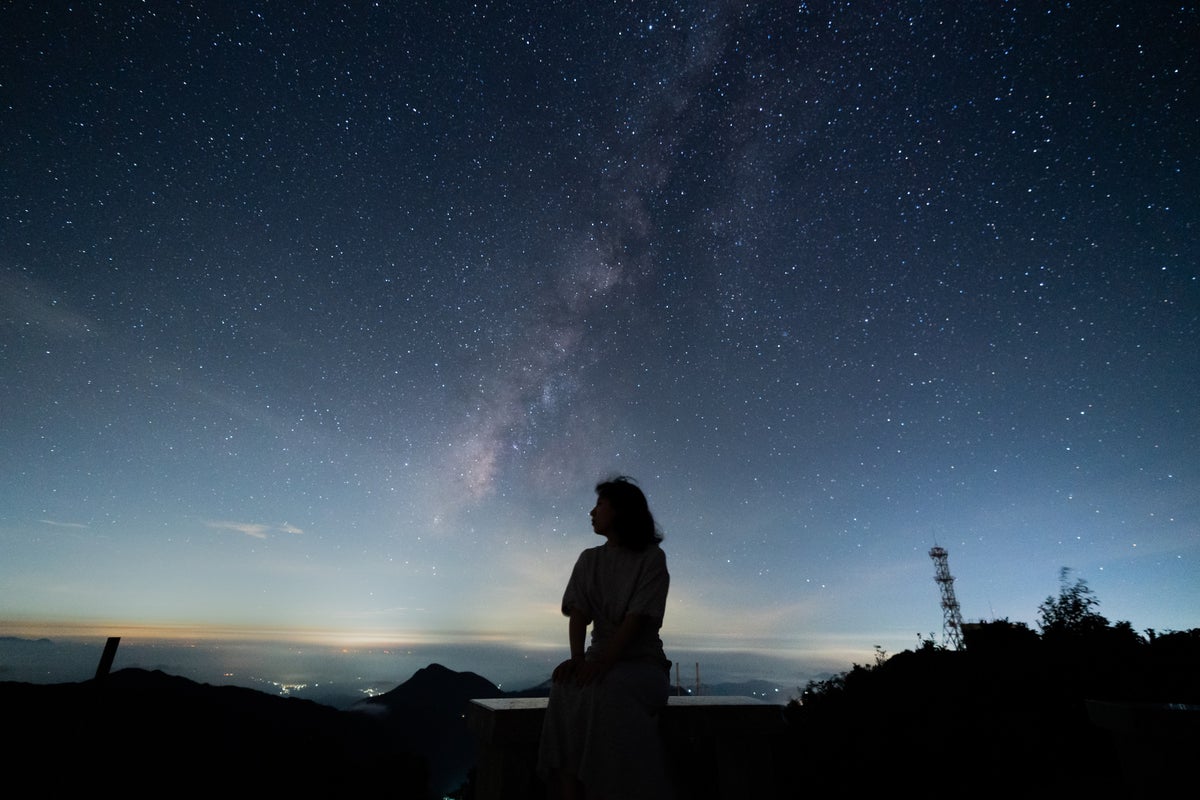
"We use our planet's spin to mark a day and its orbit around the sun to mark a year. That annual orbital reckoning also means the same constellations appear in the same part of the sky on the same calendar dates, providing a sense of regularity. It's comforting, in its way. Many astronomical events, such as meteor showers, run by calendrical timings as well. But our moon and the other planets move with the cogs of different celestial gears."
"January 10: The king of the solar system, the giant planet Jupiter, will reach opposition. That means it will be located opposite to the sun in the sky, with the planet rising at sunset and being visible all night. Because Earth will be almost directly between the sun and Jupiter, the latter planet will be at its closest to usabout 633 million kilometersso it will appear at its biggest and brightest."
Heavens function like clockwork: Earth's rotation marks days and its orbit marks years. The annual orbit causes constellations to return to the same calendar dates, creating predictable celestial patterns. Meteor showers and other events follow calendrical timings, while the Moon and planets move on different orbital cycles, generating new combinations of events each year. In 2026 observers can expect both familiar occurrences, such as a baker's dozen of full moons, and rarer or subtler phenomena that reward careful skywatching. Jupiter reaches opposition on January 10, when it will be unusually close and bright. In-The-Sky.org offers location-specific details for global visibility.
Read at www.scientificamerican.com
Unable to calculate read time
Collection
[
|
...
]