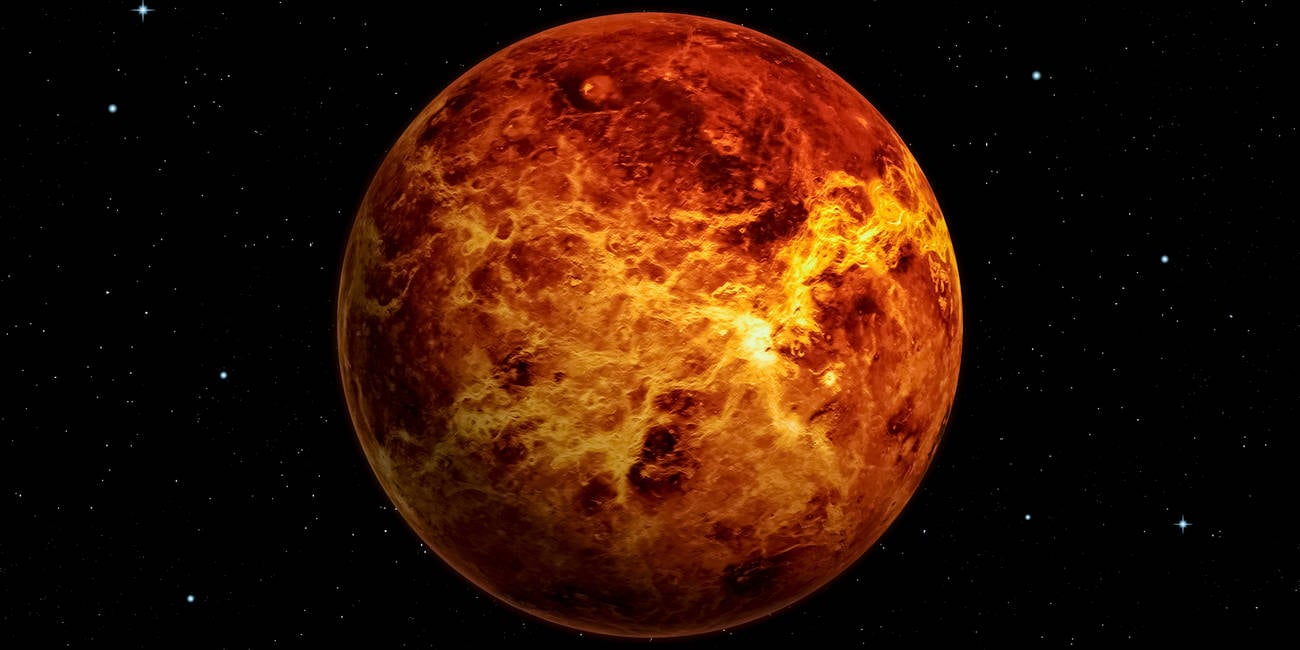
"Launched on a Molniya rocket on November 16, 1965, Venera 3 was more ambitious than its predecessors. It would conduct a flyby and also release a lander to descend by parachute through the Venusian atmosphere and observe temperature, pressure, and composition."
"After a course correction on December 26, 1965, ground control lost contact with the spacecraft on February 16, 1966, shortly before the Venus encounter. The lander was automatically released and reached the surface of the planet on March 1, 1966. According to Asif Siddiqi's Beyond Earth, the impact occurred on the night side of Venus, at 0656 UTC, four minutes earlier than planned. It also represented the first time a human-made object made contact with another planet."
"According to Siddiqi, the spacecraft conducted 63 communications sessions, providing scientists with data, including 'on the energy spectra of solar wind ion streams beyond the Earth's magnetosphere.' The big prize - data from Venus itself - was lost with the cessation of communications before encountering the planet. Later investigations blamed this on 'overheating of internal components and the solar panels.'"
Venera 3, launched by the Soviet Union on November 16, 1965, was designed to conduct a Venus flyby and deploy a lander to descend by parachute through the Venusian atmosphere to measure temperature, pressure, and composition. However, the mission encountered critical failures. Ground control lost contact with the spacecraft on February 16, 1966, shortly before reaching Venus, preventing transmission of the primary scientific data. The lander was automatically released and impacted Venus's surface on March 1, 1966, at 0656 UTC, marking the first human-made object to contact another planet. Despite 63 communications sessions providing solar wind data, the loss of contact before the Venus encounter, attributed to overheating of internal components and solar panels, meant the valuable atmospheric observations were never received.
Read at Theregister
Unable to calculate read time
Collection
[
|
...
]