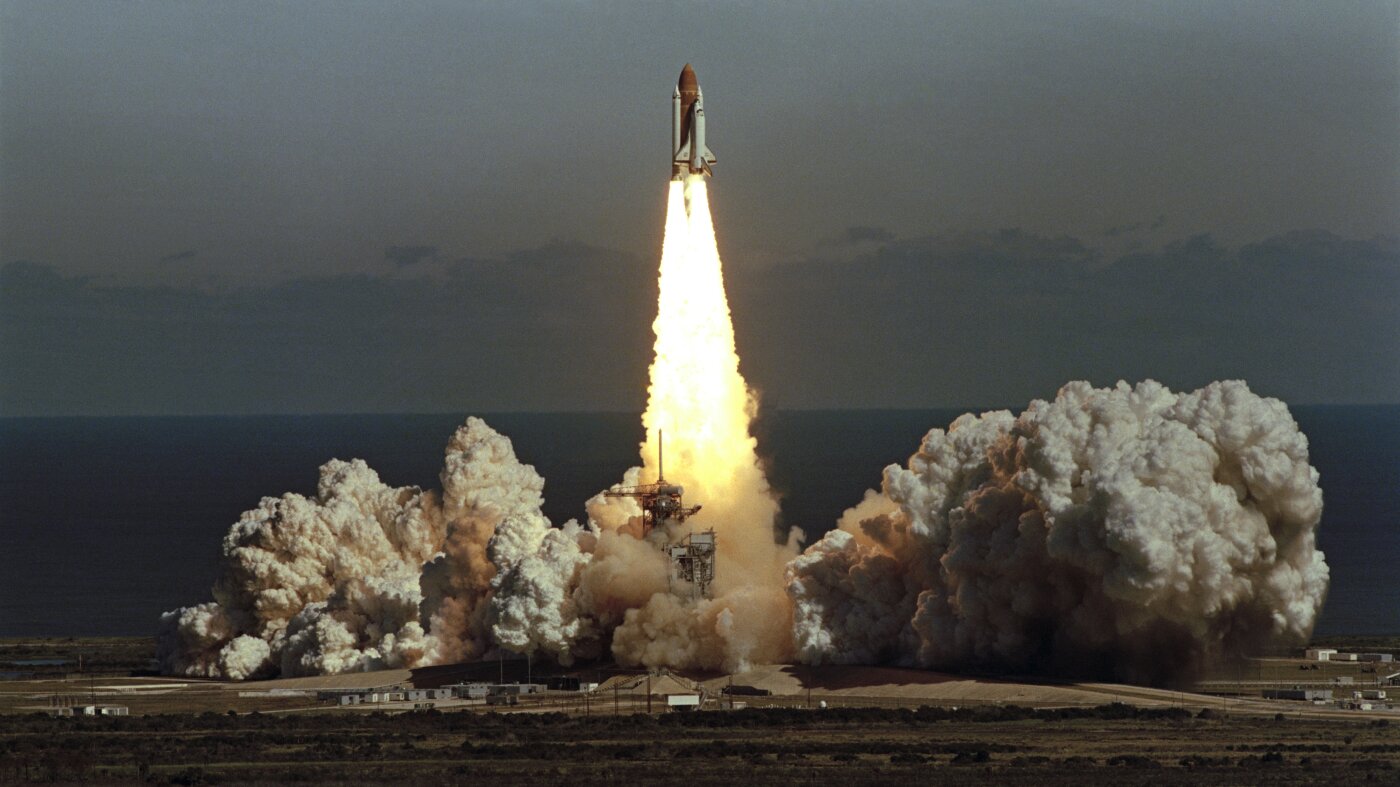
"He was frantic." The night before, Ebeling and other Morton Thiokol engineers tried to convince NASA, the National Aeronautics and Space Administration, that launching in cold weather could be disastrous. The Thiokol engineers had data, documents and photographs that they believed provided convincing evidence of the risks. And Thiokol executives agreed, at first. Their official recommendation to NASA: Do not launch tomorrow."
"A problem with Morton Thiokol's booster rocket design emerged during the second shuttle flight in 1981. After that Columbia mission, and after Thiokol's reusable booster rockets were retrieved from their ocean splashdown, an inspection by company engineers showed evidence of "blow-by" in a rocket joint. The rockets were built in segments, like tin cans stacked on top of each other."
Bob Ebeling felt frantic on January 28, 1986, because ice and freezing temperatures made the Challenger liftoff risky. Morton Thiokol engineers presented data, documents, and photographs showing the danger and initially advised NASA not to launch. Their official recommendation to NASA was: Do not launch tomorrow. A recurring problem with the booster rocket design had appeared after the 1981 Columbia mission, when inspections revealed "blow-by" in a rocket joint. The booster rockets were built in segmented sections sealed by two rows of synthetic rubber O-rings designed to prevent volatile fuel leakage.
Read at www.npr.org
Unable to calculate read time
Collection
[
|
...
]