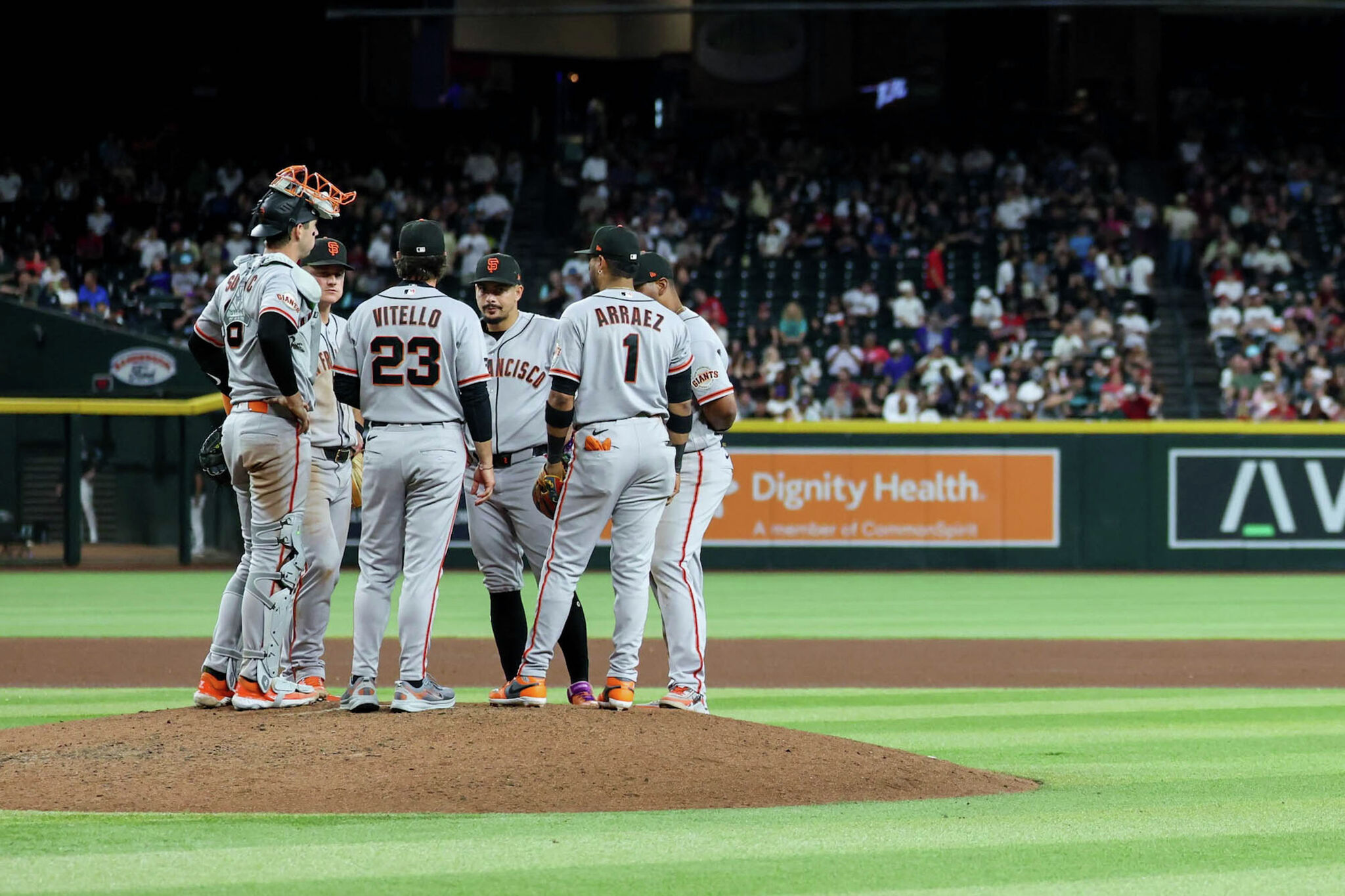
Buster Posey’s role as president of baseball operations has not delivered a return to playoff contention for the San Francisco Giants. Fans are frustrated by an on-field product that feels far from competitive, with roster construction and player development decisions described as confusing and unable to form a consistent lineup. The problems are framed as partly organizational, including ownership priorities that emphasize business ventures over spending on baseball needs like pitching. Even with that context, responsibility is placed on Posey, with specific head-scratching moves cited, including trading away key bullpen pieces and losing a pitcher to an elbow injury, despite an obvious need in the bullpen.
"Buster Posey's place in San Francisco Giants history is secure. Anchoring the team's most successful period in history assures him of that. So, when he was installed as president of baseball operations a few years ago, it seemed like a dream scenario for the organization: One of the most popular players the franchise had ever produced would lead the way back to the playoffs and buy ownership some much-needed goodwill in the process."
"Fast-forward to today, and ... well, it hasn't quite worked out that way. Giants fans are as angry as they've been in recent memory as they watch an on-field product that has them clamoring for the .500 years of Bob Melvin. And Posey, for all his goodwill and good memories, is firmly in the crosshairs."
"The roster that's been constructed, and the decisions that have been made regarding player development, are equally baffling. A consistent lineup is a pipe dream. This is a club that has a lot of valuable parts that somehow can't manage to gel into something resembling a competent baseball team."
"Is this all Posey's fault? Of course not. There is an organizational rot that has infested the Giants from the top down. Ownership seems to be more interested in buying theaters and selling off pieces to private equity firms than spending money on things like, say, pitching. The on-field product has never felt more like an afterthought than it does now, a way for a real estate firm to make enough money to keep buying properties."
Read at SFGATE
Unable to calculate read time
Collection
[
|
...
]