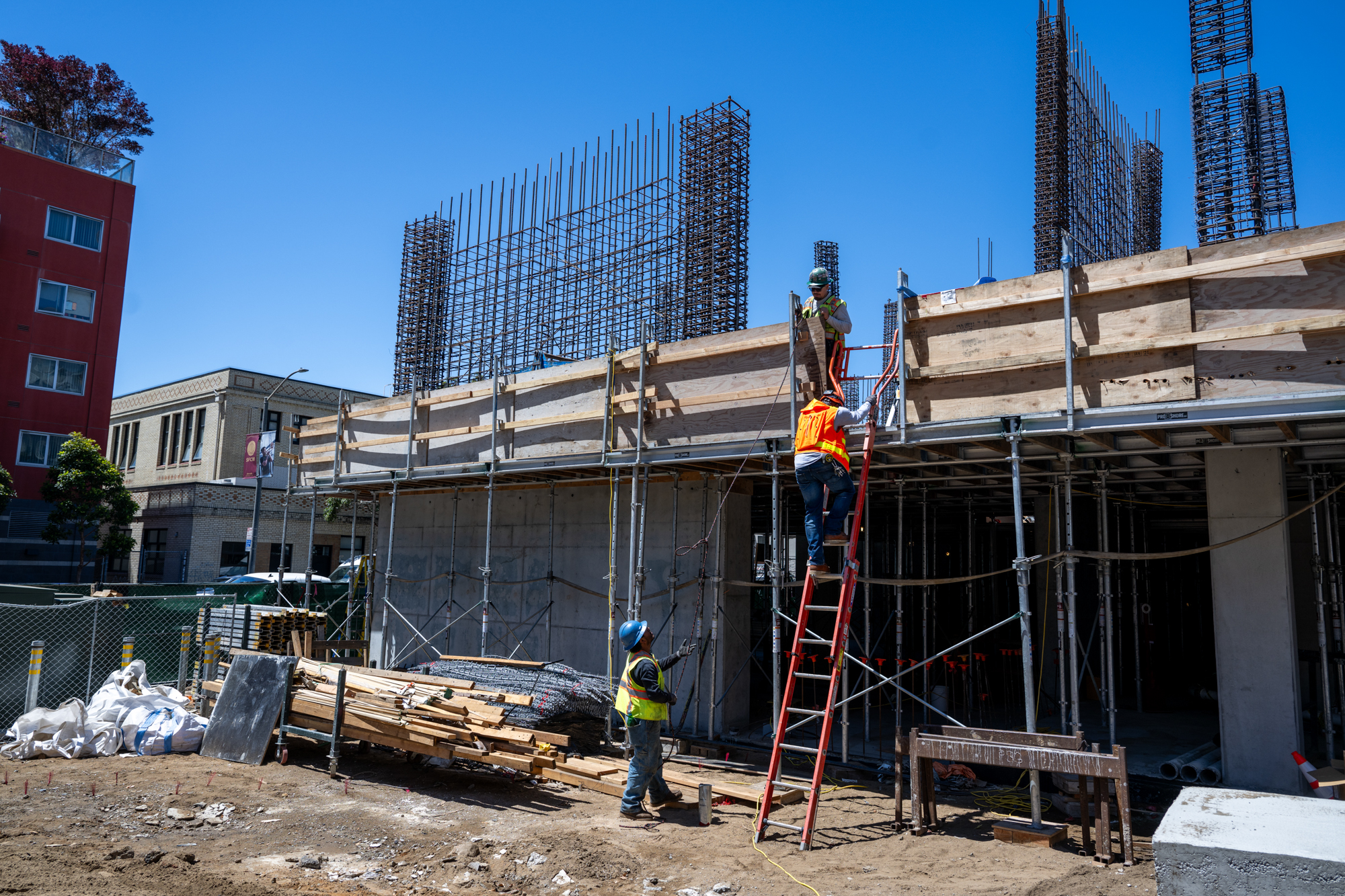
Affordable housing projects face numerous impact fees for sidewalks, sewer lines, parks, art, schools and transit that add thousands of dollars to each apartment. An estimated $1.2 billion in such fees could have funded roughly 5,000 family units. Prop 13 limits local property tax growth, constraining municipal revenue and shifting infrastructure funding onto developers. Cities defend fees as necessary to maintain public facilities. Developers say fees influence unit mix, amenities and construction timelines even when projects proceed. State and federal efforts aim to lower development costs to spur more housing production.
"Affordable housing developers in California are met with a lot of demands: pay for sidewalks and extra sewer lines, make sure there's money for parks and art projects, don't forget schools and subways. "If we could have instead reinvested that $1.2 billion into new affordable housing, that could have been 5,000 families that would be off the streets or stably housed or in a much better condition," said Metcalf, who is also the managing director for the center. "There's a trade-off that we're making.""
"Many cities have become increasingly hamstrung in raising revenues to pay for services, and they're not eager to forgo the extra fees they say are necessary to maintain basic public facilities and services. "If the infrastructure doesn't exist, you have to create that infrastructure," Rhine said. "And since we're limited in how we can charge or generate revenue to fund that infrastructure, it really falls on the development community.""
Read at Kqed
Unable to calculate read time
Collection
[
|
...
]