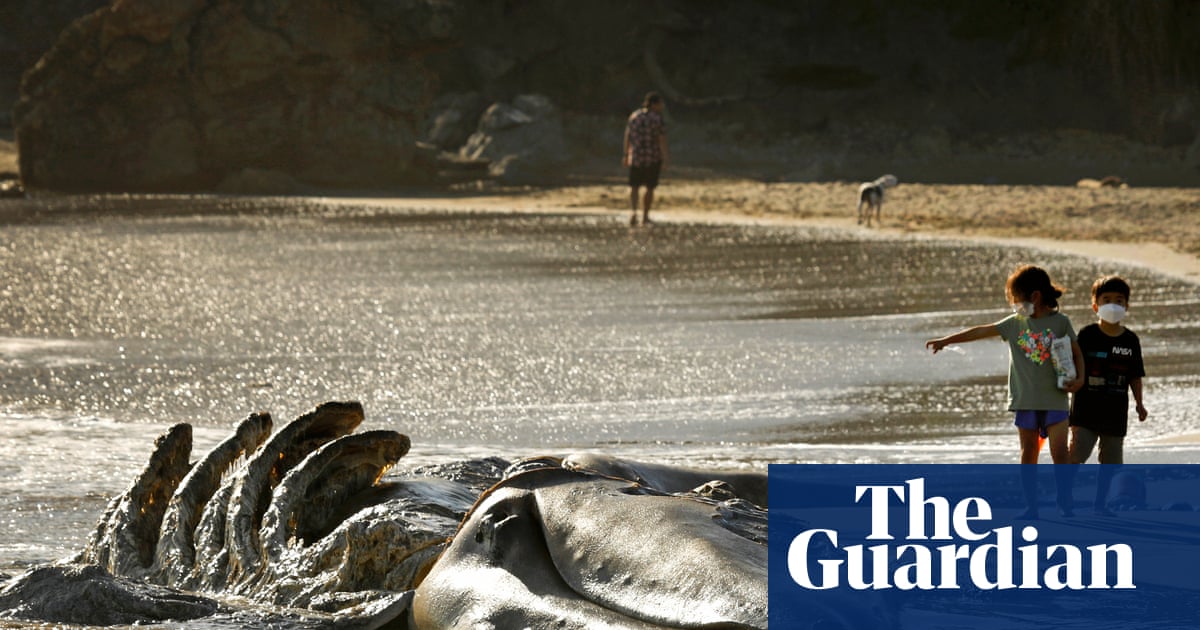
Ferries, cargo ships, and tankers move through choppy waters in San Francisco Bay while whales surface nearby. An AI-powered detection network called WhaleSpotter scans the bay around the clock for whale blows and heat signatures up to 2 nautical miles away. Alerts prompt mariners to slow down or reroute before reaching whales. The system also collects data over time to identify where whales linger so routes can be adjusted during whale season. The initiative responds to rising gray whale deaths in the Bay Area, including ship strikes. Last year, 21 dead gray whales were found, with at least 40% attributed to ship strikes, and more deaths have occurred this year. Scientists say carcasses may sink or be swept away, so actual mortality is likely higher. Gray whales migrate between Mexico breeding lagoons and Arctic feeding grounds, but increasing numbers enter the bay and remain for days or weeks, linked to climate change and disrupted Arctic food webs.
"Until now, whales could easily go unnoticed by mariners, but an AI-powered detection network launched this week is designed to track them day and night. The system, called WhaleSpotter, scans the bay around the clock for whale blows and heat signatures up to 2 nautical miles away, alerting mariners to slow down or reroute when whales are nearby. They'll be able to make adjustments way before they get anywhere close, said Thomas Hall, director of operations for the San Francisco Bay ferry."
"It will also allow us to track data over time and see where the whales are camping out so we can adjust our routes during whale season to avoid those areas completely. The effort comes amid an alarming rise in gray whale deaths in the bay. Last year, 21 dead gray whales were found in the wider Bay Area the highest number in 25 years, according to the Marine Mammal Center with at least 40% killed by ship strikes. At least 10 more have died in the Bay Area so far this year."
"Scientists say those figures probably underestimate the true toll as many whale carcasses sink or are swept back out to sea before they are ever found or reported. Gray whales have long migrated along the California coast on their roughly 12,000-mile (19,300km) journey between breeding lagoons in Mexico and feeding grounds in the Arctic. But instead of simply passing offshore, increasing numbers are now diverting into San Francisco Bay and lingering for days or even weeks inside the crowded estuary a shift scientists increasingly link to climate change."
"Warming temperatures and shifts in sea ice in the Arctic are disrupting the food web gray whales rely on during summer feeding months, according to a 2023 study in Science, leaving many malnourished during migration. Many whales now concentrate in a high traffic corridor between Angel Island,"
#ai-wildlife-detection #ship-safety #gray-whale-conservation #san-francisco-bay #climate-change-impacts
Read at www.theguardian.com
Unable to calculate read time
Collection
[
|
...
]