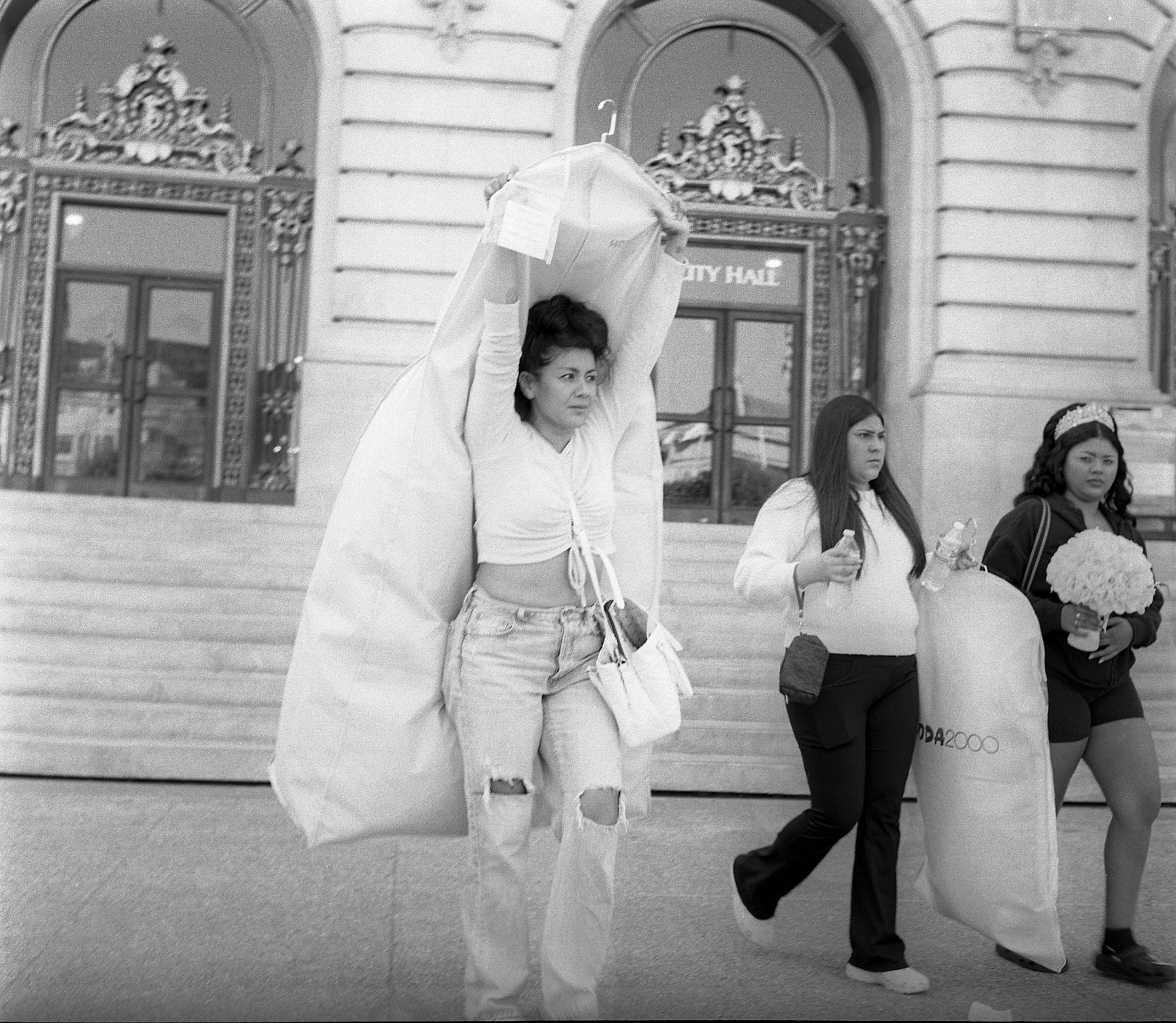
"Long after it was home to wealthy German immigrants in the 1800s, and made way for gays in the 1960s, Polk Street has become a stretch that reflects all of San Francisco. It runs south to north, from the mighty Market Street to the tony Union Street. Polk paves the way from civil government and the Tenderloin in the southern or lower stretch to the bustling shops and restaurants of northern or upper Polk and Russian Hill."
"Midway between Post and Clay streets, or Polk Gulch, is a mix of the well-off and those who are just getting by. You can feel the transition from poor to rich by what people are eating, wearing, and doing. Takeout places seem more common in lower Polk, while taking time with an espresso is easier in upper Polk."
"On lower Polk, those on the street seem less focused on fashion; people seem to be in work mode. On upper Polk, there's a greater sense of play."
Polk Street evolved from a 19th-century German immigrant neighborhood to a gay enclave in the 1960s and now reflects the full diversity of San Francisco. The street runs south to north from Market Street to Union Street, connecting civic institutions and the Tenderloin in the south with shops, restaurants and Russian Hill in the north. Midway at Polk Gulch, between Post and Clay streets, a socioeconomic mix exists with both well-off residents and people getting by. Retail, dining and street activity shift along the corridor: lower Polk favors takeout and work-mode behavior, while upper Polk favors espresso, fashion and leisure.
Read at Mission Local
Unable to calculate read time
Collection
[
|
...
]