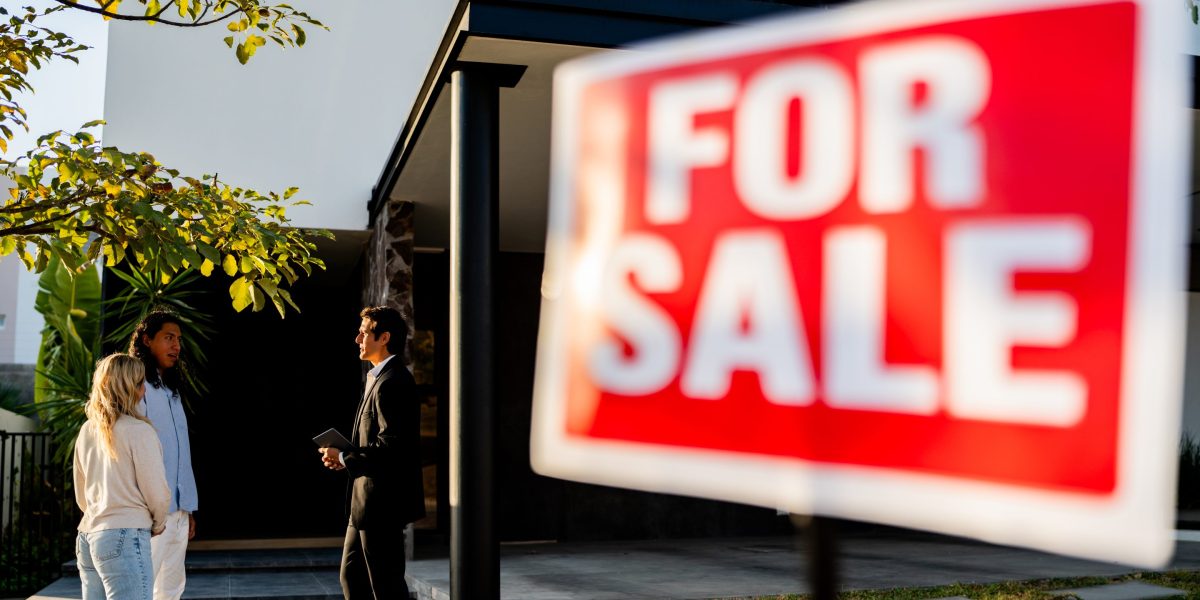
Median home sale prices rose sharply from 2020 to 2022 and remained elevated afterward. A study links part of the housing price increase to fraudulent Paycheck Protection Program activity during the pandemic. Fraudulent recipients treated PPP cash as discretionary spending, creating artificial demand that disadvantaged competing homebuyers. Researchers estimate about $800 billion in PPP small business relief loans were distributed early in the pandemic, with some funds used fraudulently. Using data from 18,761 ZIP codes covering over 90% of the U.S. population, the study finds that areas with more PPP fraud saw home prices about 5.8% higher on average than comparable markets with less fraud. Other pandemic-era supports also increased household spending power.
"“In a horse race, pandemic fraud is one of the largest and most robust factors explaining house price appreciation during COVID,” the study's authors wrote. Areas where PPP fraud was rampant in the first years of the pandemic could expect home prices 5.8% higher on average relative to comparable markets with less grifting."
"“The housing market ended up bearing a disproportionate cost from successful scammers who filed fraudulent claims filed under the Paycheck Protection Program (PPP). Homebuyers in 2020 and 2021 had to compete with fraudulent recipients of PPP funds who effectively treated the cash as an artificial stimulus and used it for discretionary spending, leaving every competing U.S. homebuyer on the hook.”"
"“According to a study by researchers at the University of Texas at Austin, published this week in the Journal of Financial Economics, about $800 billion in small business relief loans, known colloquially as the PPP loans, was doled out during the pandemic's early days, and some of those funds were used in fraudulent ways.”"
"“The study sampled 18,761 ZIP codes across the country, covering over 90% of the U.S. population, and matched individual areas with places known to have a highe”"
#housing-prices #paycheck-protection-program-ppp #fraud-and-financial-crime #pandemic-economic-policy #us-real-estate-market
Read at Fortune
Unable to calculate read time
Collection
[
|
...
]