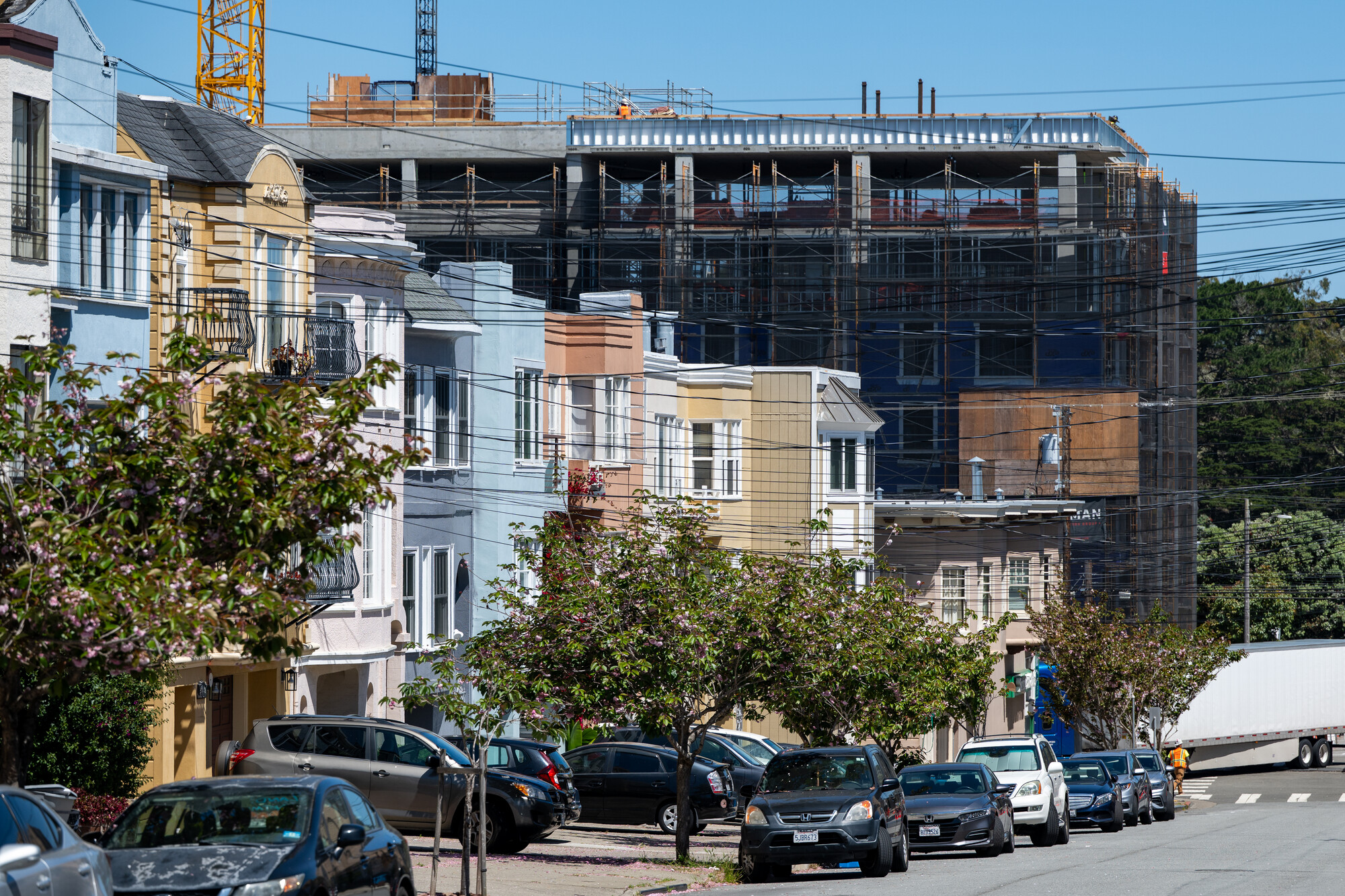
"We're also now getting to this point where, despite all of those changes, we're still the slowest city to build. We have to now take a stab at the harder problems, including Charter reform, to enable us to be able to make those changes."
"Yes, we're getting faster at the ones we're approving, but there's still a lot that aren't even approved. The report's timeline is based on about 740 permits approved in that time, but there's a backlog of more than 1,300 applications that haven't yet been issued."
"Some of those pending applications have been in the pipeline since 2017 - as of Oct. 29, the average number of days that those permits had been awaiting approval was 1,489 days, or more than four years."
"According to the report, five city departments are involved in approving a permit application, with no single point of contact that oversees applications all the way from filing to permit issuance. In some cases, one or more departments start their review process later than others, causing delays."
San Francisco's building permitting process has improved, cutting processing time in half in recent years. However, the city still faces significant challenges including a backlog of over 1,300 permit applications, some pending since 2017 with average wait times exceeding four years. Despite improvements, San Francisco remains slower than comparable U.S. cities like San Diego and Austin. The city must approve more than 80,000 new housing units by 2031 to meet state mandates. Five city departments are involved in permit approval with no unified oversight, causing coordination delays. Officials indicate that Charter reform and ballot measures may be necessary to address deeper structural issues preventing faster housing development.
#san-francisco-housing-permits #building-permitting-delays #affordable-housing-development #municipal-bureaucracy-reform #housing-shortage-crisis
Read at Kqed
Unable to calculate read time
Collection
[
|
...
]