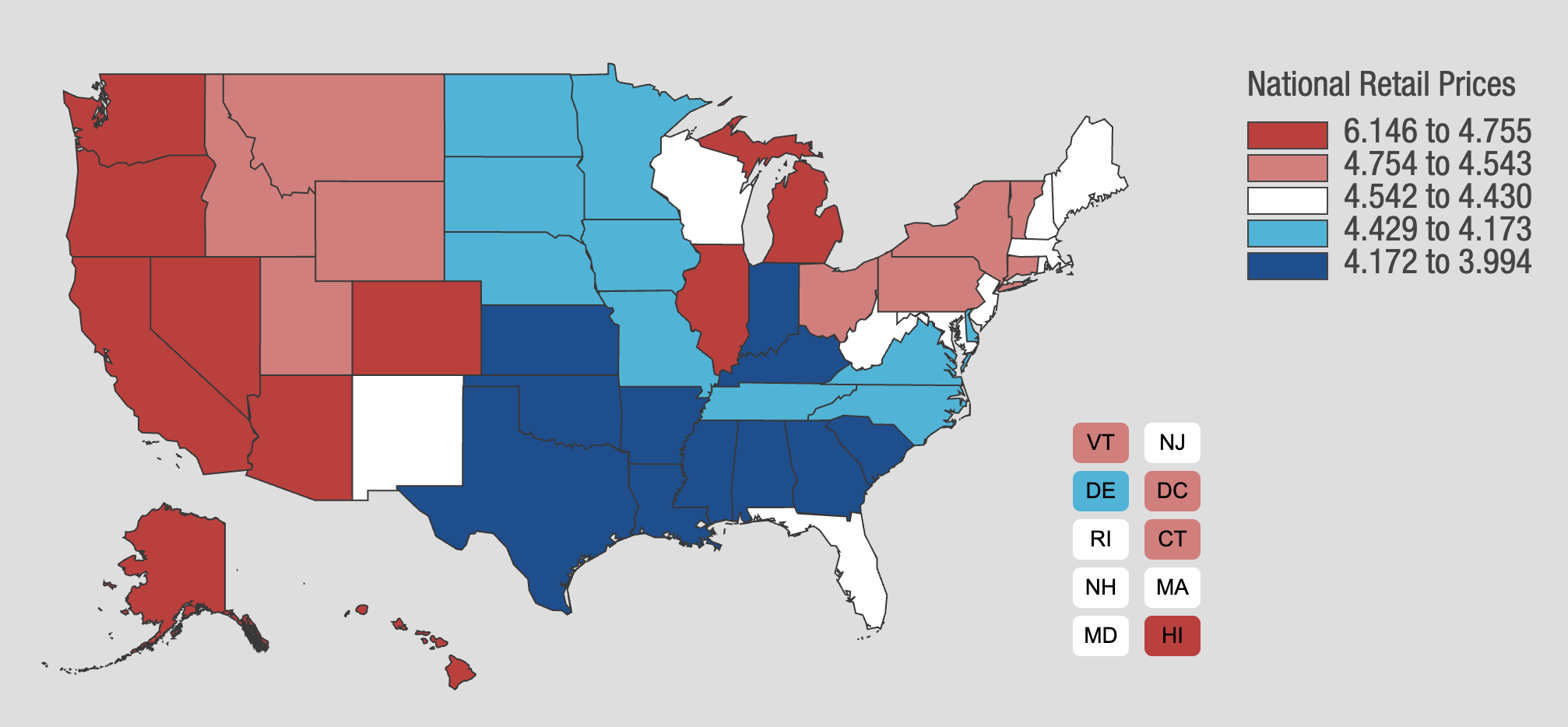
Senate Bill 1035, which would have suspended California’s motor vehicle fuel tax, did not advance through the State Senate committee deadline. Senator Tony Strickland criticized Senate Democrats for rejecting financial relief at the pump. California has the highest gas tax in the country and also the highest average gas prices. The difference between California’s tax level and the national average is small, while the per-gallon cost is much higher. Gas prices are heavily influenced by global crude oil costs, refinery outages and shutdowns, and California’s cleaner-burning fuel requirements that raise production costs and restrict sourcing. Taxes and environmental fees add to pump prices, and supply and transportation constraints increase vulnerability to disruptions.
"At a time when affordability is the top concern for families, Senate Democrats said 'Hell no' to much-needed financial relief. This was a missed opportunity to take action. Here in California, despite all the talk about fighting for affordability and California being a leader on policy, Sacramento Democrats are falling in line with Governor Newsom and refusing even to discuss relief at the pump."
"It's true that California has both the highest gas tax in the country ($.79 per gallon) and the highest gas prices in the country ($6.15 on average, as of yesterday). The total gas tax paid by Californians is only $.25 higher than the national average, but the cost per gallon is $1.61 higher."
"Crude oil prices: the cost of oil on the global market is the single biggest factor affecting California gasoline prices. Refinery operations: outages, maintenance, or unexpected shutdowns at California refineries can quickly drive prices higher. California's cleaner-burning fuel requirements: the state's unique gasoline blend costs more to produce and limits where fuel can be sourced. Taxes and environmental fees: state and federal gas taxes, Cap-and-Trade, and Low Carbon Fuel Standard costs all add to pump prices. Supply and transportation constraints: California lacks interstate gasoline pipelines and relies heavily on in-state refining and marine imports, making the market more vulnerable to disruptions."
#california-gas-prices #gas-tax-policy #greenhouse-gas-reduction-programs #refining-and-fuel-supply #cap-and-trade-and-low-carbon-fuel-standard
Read at Streetsblog California
Unable to calculate read time
Collection
[
|
...
]