The mayor promised to open 1,500 shelter beds within six months and address homelessness systematically and efficiently. At the six-month point, the administration shifted to adding the “right” beds rather than pursuing a “magic number.” The prioritized beds included those with sobriety requirements, locked treatment beds, and beds in psychiatric units. With limited city funds, beds providing basic shelter for people not in acute distress received lower priority. After 16 months, 863 new shelter beds had opened, but multiple shelters were also closed, reducing net gains. Net increase was 403 beds, with projections dropping to 303 added beds by 2028. Many new beds are designed for compulsory treatment or crisis stabilization, including respite and 24-hour medical facilities where police can forcibly take people for care. Shelters focused on stabilization and treatment rose by 170 percent, and the system shifted toward shorter-term shelter, with unclear outcomes after discharge.
"At the six-month mark, he abruptly changed course. That's when Lurie's chief of health and human services, Kunal Modi, announced that the administration had chosen to focus on adding the "right" beds rather than seeking a "magic number." The "right" kind of beds included those with sobriety requirements, locked treatment beds and beds in psychiatric units. And with limited city funds, beds that provide simple shelter for the homeless - rather than people in acute distress - are of lower priority."
"As of April, 16 months into his tenure, Lurie had overseen the opening of 863 new shelter beds, for a total of about7,500 city-wide. But the city has also closed multiple shelters, with some shuttered due to decisions made before he took office - meaning the the net gain is considerably less. Under Lurie, San Francisco has only seen a net increase of 403 beds, under 30 percent of his initial goal."
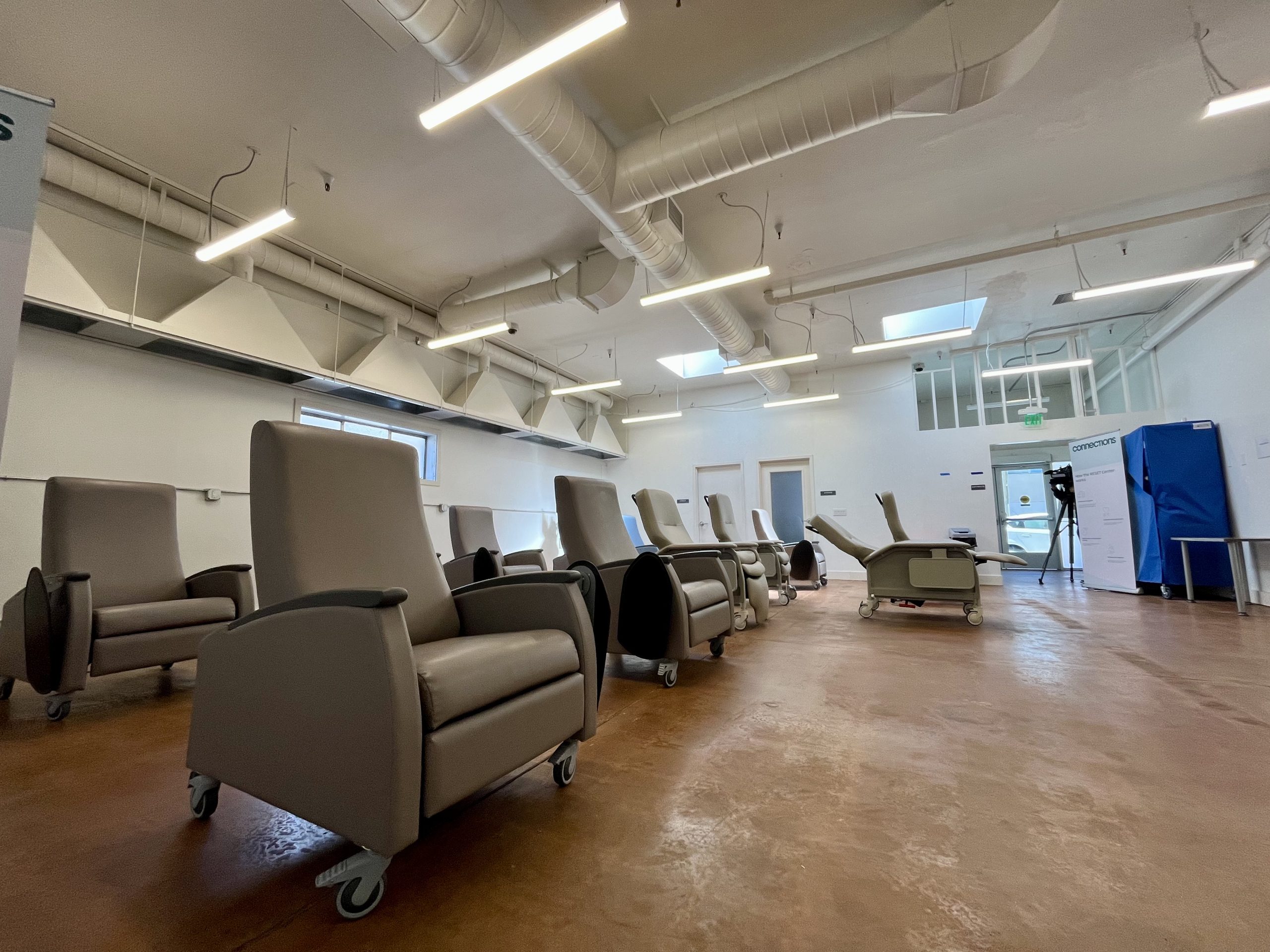
"Many of the new beds are designed to provide compulsory treatment or stabilize people in crisis - for example, someone who is having a mental health episode, or is visibly intoxicated. That is the case with the beds at the Eleanora Fagan Center "respite program" at the Kean Hotel, or the 24-hour medical facility at 822 Geary where police can forcibly take homeless people in need of care. Shelters focused on stabilization and treatment have increased by 170 percent, according to the mayor's office's count."
"Along with creating new beds for those in crisis, the Lurie administration has shifted the system toward shorter-term shelter. What happens to people when they leave those shelters is not clear, but at present, the city says, they a"
#homelessness #shelter-capacity #public-health-and-treatment #san-francisco #mental-health-and-substance-use
Read at Mission Local
Unable to calculate read time
Collection
[
|
...
]