Rising child care costs in the Bay Area push parents toward difficult decisions, including declining career opportunities, reducing work hours, or leaving work entirely. For households with multiple young children, these expenses can exceed a parent’s full salary. Some families resist moving to Bay Area suburbs despite lower real estate costs, preferring to stay in the city where they feel happy. Others describe the emotional impact of being priced out or forced to leave. Research indicates the region has created jobs faster than it builds housing, intensifying price pressure. Homeownership gaps between Millennials and Baby Boomers leave younger residents with fewer financial buffers, affecting community stability and long-term belonging.
"Rising child care costs in the Bay Area are forcing parents to make painful tradeoffs, either by passing up career opportunities, cutting back work hours, or quitting altogether. For families with multiple young children, these expenses can surpass a parent's entire salary."
"The Vecchis also shy away from the idea of leaving San Francisco for a Bay Area suburb with nominally cheaper real estate. "If we were to move out of the city, we might as well move back to Florida." "If you gave me the option and I had the money, I would stay here 100%," Alex said."
"Research from Joint Venture Silicon Valley provides statistical confirmation of personal experience. For years, the Bay Area has created jobs faster than it builds housing, fueling relentless price pressure. In Silicon Valley, just 28% of Millennials own homes, compared to 68% of Baby Boomers, giving older residents an asset to rely on even in tough times."
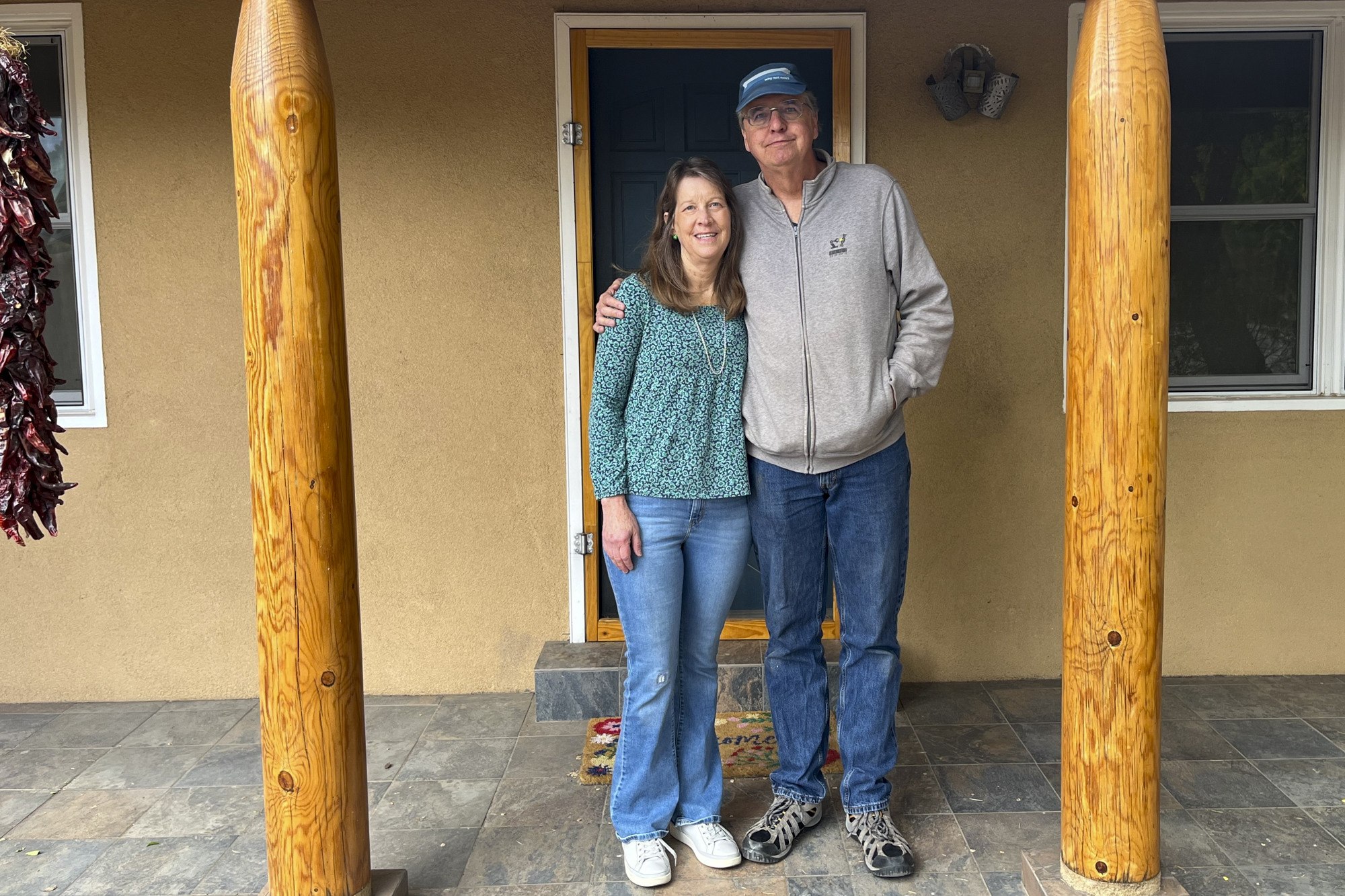
""All these things have implications for community, and now we're seeing it. We're living it," Hancock told KQED. Mark and Melanie In some ways, Ani and Alex Vecchi and Mark Wogulis and Melanie Bowden are living the same story twenty years apart. Young people arrive, fall in love with a place, build a life. Then something shifts, and the place that felt like home starts to feel like a problem to be solved."
#child-care-costs #housing-affordability #bay-area-cost-of-living #millennial-homeownership #community-impacts
Read at Kqed
Unable to calculate read time
Collection
[
|
...
]