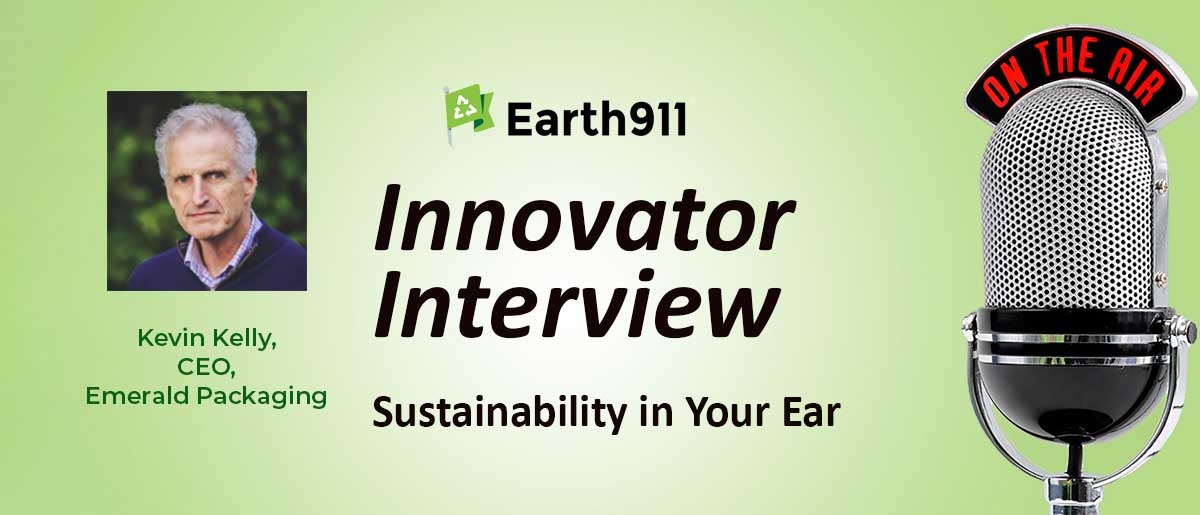
"Americans throw away nearly 5 million tons of film and flexible plastic packaging every year, and less than 1% of it gets recycled, according to The Recycling Partnership. The salad bag, the potato bag, the pallet wrap behind every grocery store - all of it is technically recyclable, almost none of it actually is, and food contact applications make the math even harder, because the FDA requires rigorous migration testing before a single recycled pellet can touch what we eat."
"In December 2025, his Union City, California-based, third-generation family business announced that it had eliminated more than 1 million pounds of virgin polyethylene over the previous year by replacing it with post-consumer recycled (PCR) material, including, in partnership with Walmart, Idaho Package, and Wada Farms, the first 30% PCR potato bag approved for direct food contact."
"Food-grade PCR is a different animal from the recycled plastic in a milk crate or a contractor bag. To pass FDA scrutiny, the feedstock has to be traceable from a known, food-adjacent source. For Emerald, that mostly means pallet wrap collected from Walmart distribution centers, washed, dried, and repelletized by suppliers like Dow Chemical's Circulus mechanical recycling business and Canada's Nova Chemicals."
"Variation in any given load of recyclable plastic causes carbon buildup on Emerald's extrusion lines, forcing a shutdown every eight hours for cleaning, and waste rates are higher than with virgin resin. The company has had to audit its own suppliers in person,"
Americans discard nearly 5 million tons of film and flexible plastic packaging each year, with less than 1% recycled. Many grocery items such as salad bags, potato bags, and pallet wrap are technically recyclable, but actual recycling is limited, especially for food-contact uses. FDA rules require rigorous migration testing before recycled plastic pellets can contact food, making compliance difficult. Emerald Packaging replaced more than 1 million pounds of virgin polyethylene with post-consumer recycled material and, with partners including Walmart, Idaho Package, and Wada Farms, secured approval for a 30% PCR potato bag for direct food contact. Achieving food-grade PCR requires traceable feedstock from known food-adjacent sources, extensive supplier auditing, and processing steps that can increase waste and require frequent line cleaning.
#flexible-plastic-packaging #recycling-and-pcr-materials #fda-food-contact-compliance #mechanical-recycling #produce-supply-chain
Read at Earth911
Unable to calculate read time
Collection
[
|
...
]