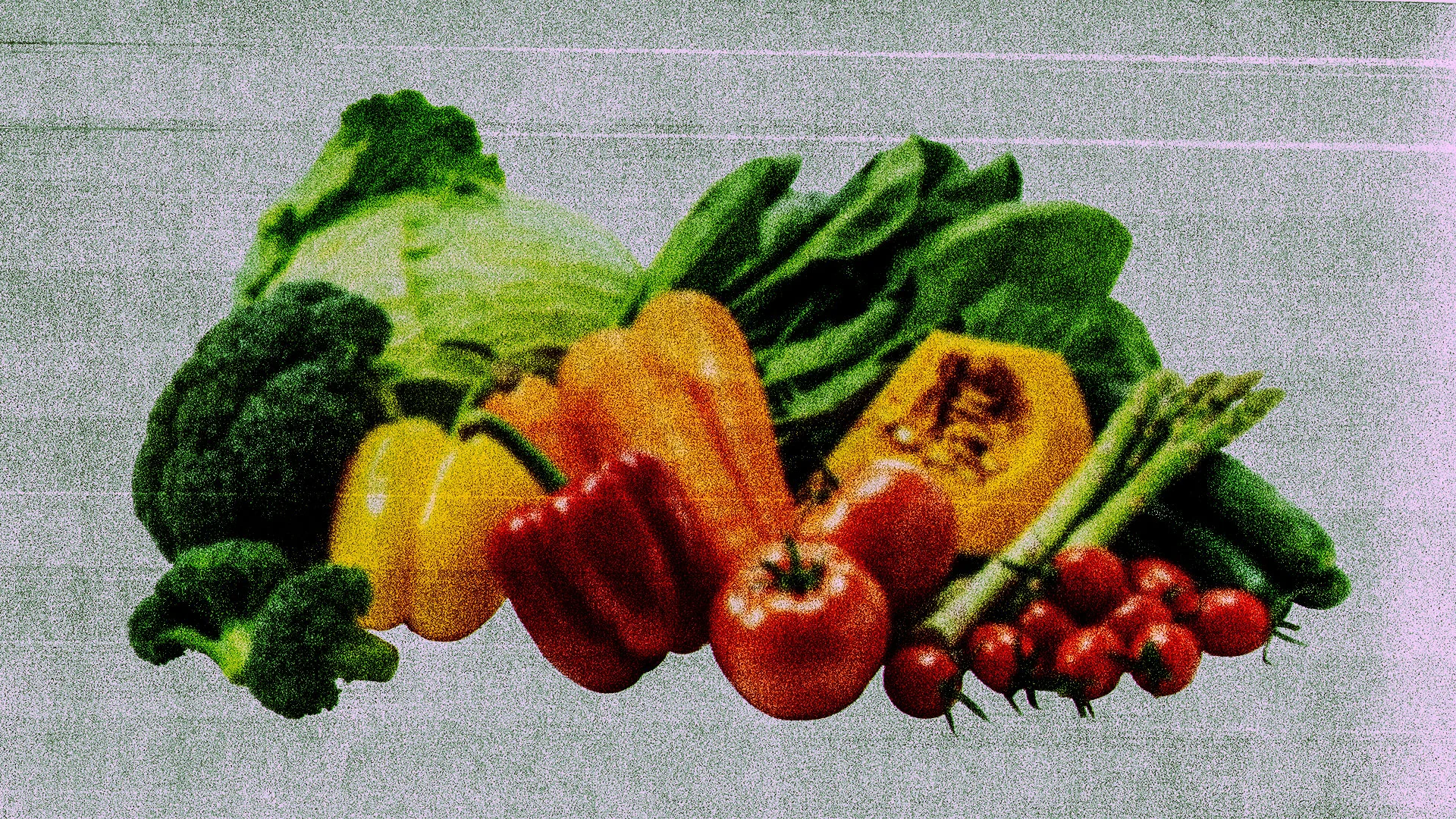
Food insecurity is increasing in the United States as inflation, war, and drought raise grocery prices. The Consumer Price Index for grocery and supermarket food purchases rose 0.7% from March to April and increased 2.9% year over year. Nine of 15 food-at-home categories saw price increases, including fresh vegetables and beef. Beef prices are rising as the cattle herd reaches its lowest level in 75 years, alongside drought and high fuel costs for farmers. Tomato prices rose 33% over two months due to Florida storms, and concerns grow about irrigation supplies in California. The USDA projects 2026 food-at-home prices will rise 3.2%. Surveys show more people dipping into savings, missing meals, and relying on donations and SNAP, especially among non-white households, families with children, lower-income groups, and those with high school education.
"The Consumer Price Index (CPI) for grocery and supermarket food purchases rose 0.7% between March and April, according to the U.S. Department of Agriculture (USDA). On top of that, April's CPI was an increase of 2.9% year-over-year (YOY). Nine of the 15 food-at-home categories saw a price increase, with fresh vegetables and beef seeing the most significant jump."
"Beef's rising CPI is hardly surprising-this year's cattle herd is the lowest in 75 years, the American Farm Bureau Federation (AFBF) reports. This decline comes alongside the droughts and high fuel prices farmers across the country are facing. At the same time, tomato prices rose 33% over the last two months due to Florida storms and there are growing concerns about irrigation supplies in California-home to about half of the country's vegetable production, Bloomberg reports."
"A growing percentage of people dipped into their savings, missed meals or didn't have enough food, received food donations, and received SNAP benefits in the two recent surveys. This shift held true for individuals who are non-white, have children, make less than $50,000, and are educated through high school."
"In its most recent survey on food insecurity, the department found that 13.7% of U.S. households experienced food insecurity at some point in 2024. This percentage rose to 18.4% when looking specifically at households with children."
#food-insecurity #inflation-and-cpi #agriculture-and-drought #snap-and-household-hardship #food-prices-and-supply-shocks
Read at Fast Company
Unable to calculate read time
Collection
[
|
...
]