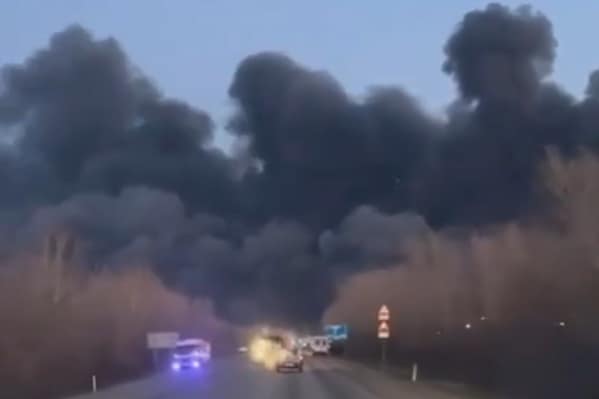
Russia's Energy Ministry is collaborating with major oil companies to implement tighter state control over fuel production and distribution. Draft agreements will prioritize the internal market, aligning production and sales with government guidance. Retail price increases will be limited to inflation levels, restricting how much companies can pass costs to consumers. These arrangements will last until the end of 2026, allowing the state to monitor compliance and adjust supply plans. The move responds to refinery disruptions and rising demand amid ongoing conflicts affecting energy infrastructure.
"The proposals would require companies to prioritise the internal market and align their output and sales decisions with government guidance, marking a significant shift in operational control."
"Retail price increases would also be expected to remain within inflation levels, effectively limiting how far firms can pass higher costs on to consumers in the current economic climate."
"The arrangements, which would run through to the end of 2026, would also allow the state to monitor compliance and adjust supply plans, indicating a move towards centralised management."
"Ukrainian drone strikes have repeatedly targeted Russian refineries throughout 2025, contributing to record downtime and regional fuel shortages, further complicating the supply chain."
Read at London Business News | Londonlovesbusiness.com
Unable to calculate read time
Collection
[
|
...
]