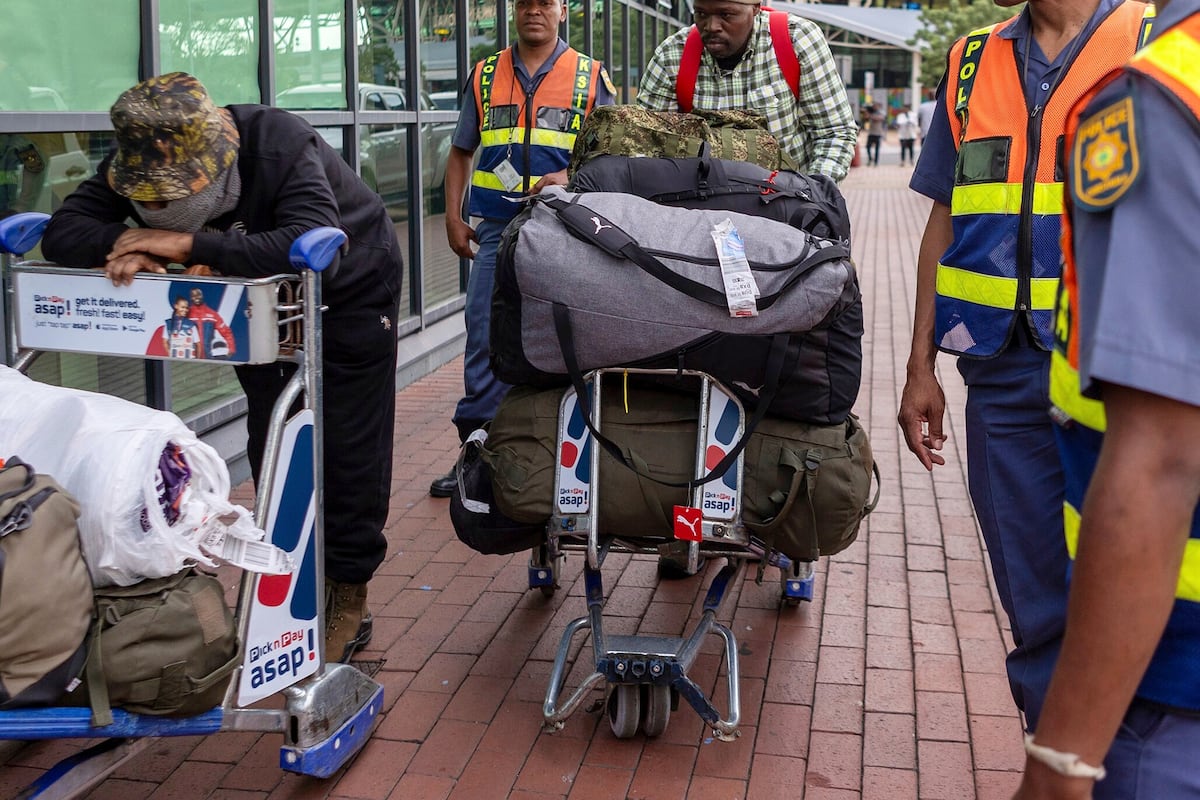
"At least 1,780 young Africans from 36 countries are currently fighting in the Russian army in the war in Ukraine, Ukrainian Foreign Minister Andrii Sybiha reported on February 25. Many of them traveled to Russia to continue their studies or with the promise of a well-paid job, unaware that they would be forced into the war as cannon fodder, according to a report by the investigative organization Inpact."
"This is not an isolated phenomenon, but a deliberate and organized strategy, the report states. Ukrainian authorities confirmed last November that some 18,000 citizens from 128 countries are fighting in the Russian ranks. Inpact has documented a list of 1,417 citizens from 35 African countries recruited by Russia between 2023 and 2025, of whom 316 have died."
"Malick Diop, a 25-year-old Senegalese man, received a scholarship in 2023 to study at Lobachevsky University in Nizhny Novgorod. However, once in Russia, he was drafted into the army to work as a cook and sent to Luhansk, a Ukrainian city in the east of the country under Russian control since 2014. In April 2025, he was given a weapon and sent into combat."
Russia has systematically recruited approximately 1,780 young Africans from 36 countries to fight in Ukraine through deceptive means. Young people were lured with scholarships for university studies or promises of well-paid jobs, only to be forcibly conscripted into the military upon arrival. The investigative organization Inpact documented 1,417 African recruits between 2023 and 2025, with 316 confirmed deaths. This recruitment network is coordinated by the Russian Federal Security Service (FSB) and represents a deliberate, organized strategy rather than isolated incidents. Cases include Senegalese student Malick Diop and Gambian Lamin Yatta, both deceived and sent to combat in Ukraine. African governments are increasingly concerned as victims and families share their experiences on social media.
#african-recruitment-in-ukraine-war #russian-military-deception-strategy #fsb-recruitment-networks #foreign-fighters-in-ukraine #human-trafficking-and-forced-conscription
Read at english.elpais.com
Unable to calculate read time
Collection
[
|
...
]