Pain starts in the feet and moves up to the knees, eventually making legs feel immovable. After about 30 hours without sleep, running alone through cold darkness can cause the brain to break, including confusion about where to go and swerving. Walker describes using a personal promise to keep going despite extreme struggle. Ultra-Trail Australia draws more than 8,000 runners across five events in the Blue Mountains, with the “miler” covering over 163 km and climbing and descending more than 7,000 metres. The effort pushes body and mind beyond limits, leading runners to search for reasons to quit. Many runners pursue freedom, absence, and nothingness, sometimes inspired by Haruki Murakami’s idea of running to acquire a void.
"Somewhere before the finish line the body starts to break down, Joanne Walker says. The pain starts in your feet but before long it moves up to your knees and eventually you feel like you just can't move your legs any more. After 30 hours with no sleep, running alone through the cold darkness of the Megalong Valley, the brain can break as well. At one point, I did not even know where I was going; I was swerving all over the shop, she says."
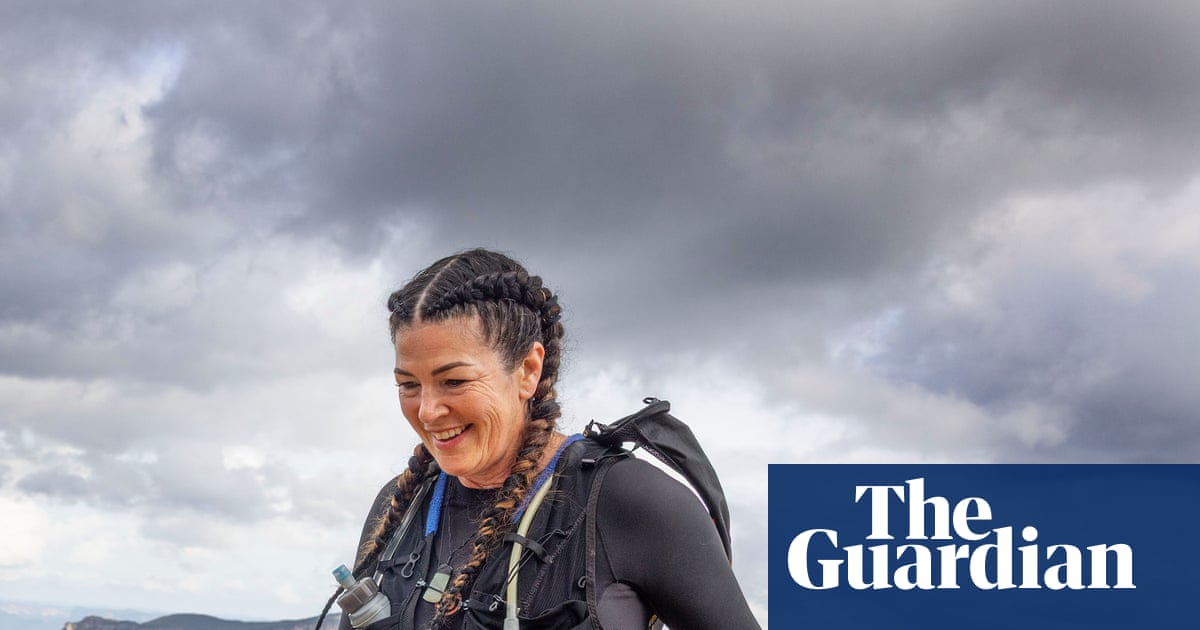
"But I told myself, no matter how much I am struggling, I promised myself I was going to have the best hair out of anyone on the trail. Runners make their way through night-time rain on day two of the miler'. Photograph: Krystle Wright Walker is one of more than 8,000 runners across five events who have descended on the Blue Mountains, west of Sydney, to take part in Ultra-Trail Australia, the largest trail running event in the country and one of the most infamously gruelling."
"Walker is running in what is colloquially known as the miler, short for 100 miles, covering more than 163km and climbing and descending more than 7,000 metres. It's a test that pushes the body and mind well past their limits. You start looking for a reason to quit, Walker says. One guy out there told me he hoped another runner might be close to death so he could render assistance and have an excuse to stop running."
"Every runner has a different reason. No one thing pulls people to the starting line. But common themes emerge. Nothingness. Absence. Freedom. Many runners cite the words of Haruki Murakami, who wrote that he runs to acquire a void. I think there is a really beautiful simplicity in that, everything just returns to absolute basics, Walker says."
#ultra-trail-running #endurance-and-sleep-deprivation #pain-and-mental-breakdown #motivation-and-psychological-resilience #blue-mountains-australia
Read at www.theguardian.com
Unable to calculate read time
Collection
[
|
...
]