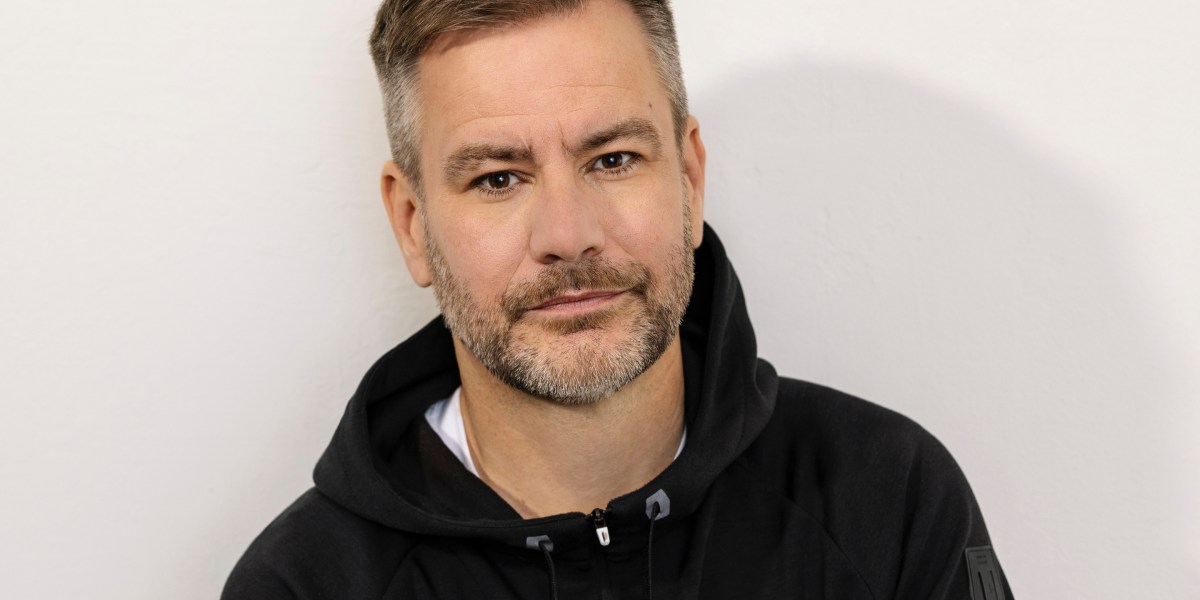
"When you see regular people do things, that's more inspirational than... the 110-pound Kenyan runner running a two-hour marathon," he told Fortune. "That's very cool, but you're not going to relate to him more than the guy who's working a 9-to-5, has a baby, and is still going out to run. That's relatable. Being able to see each other, that's connection. Strava is glue."
""I think the market is largely ready," Martin told me. "What I see right now is high-quality companies doing well. And I think in ways peopl"
Motivation and consistency remain the central obstacles for people trying to exercise regularly. Venice Run Club in Los Angeles grew from zero during the pandemic to weekly runs exceeding 500 participants, peaking at 1,000, aided by visibility and connection on Strava. Strava launched in 2009 and initially gained prominence among cyclists before expanding to broader running communities. The platform has navigated long-running privacy debates, occasional lawsuits, and a years-long slowdown. The company has added Barry McCarthy to its board and has filed to go public amid favorable conditions for high-quality companies.
Read at Fortune
Unable to calculate read time
Collection
[
|
...
]