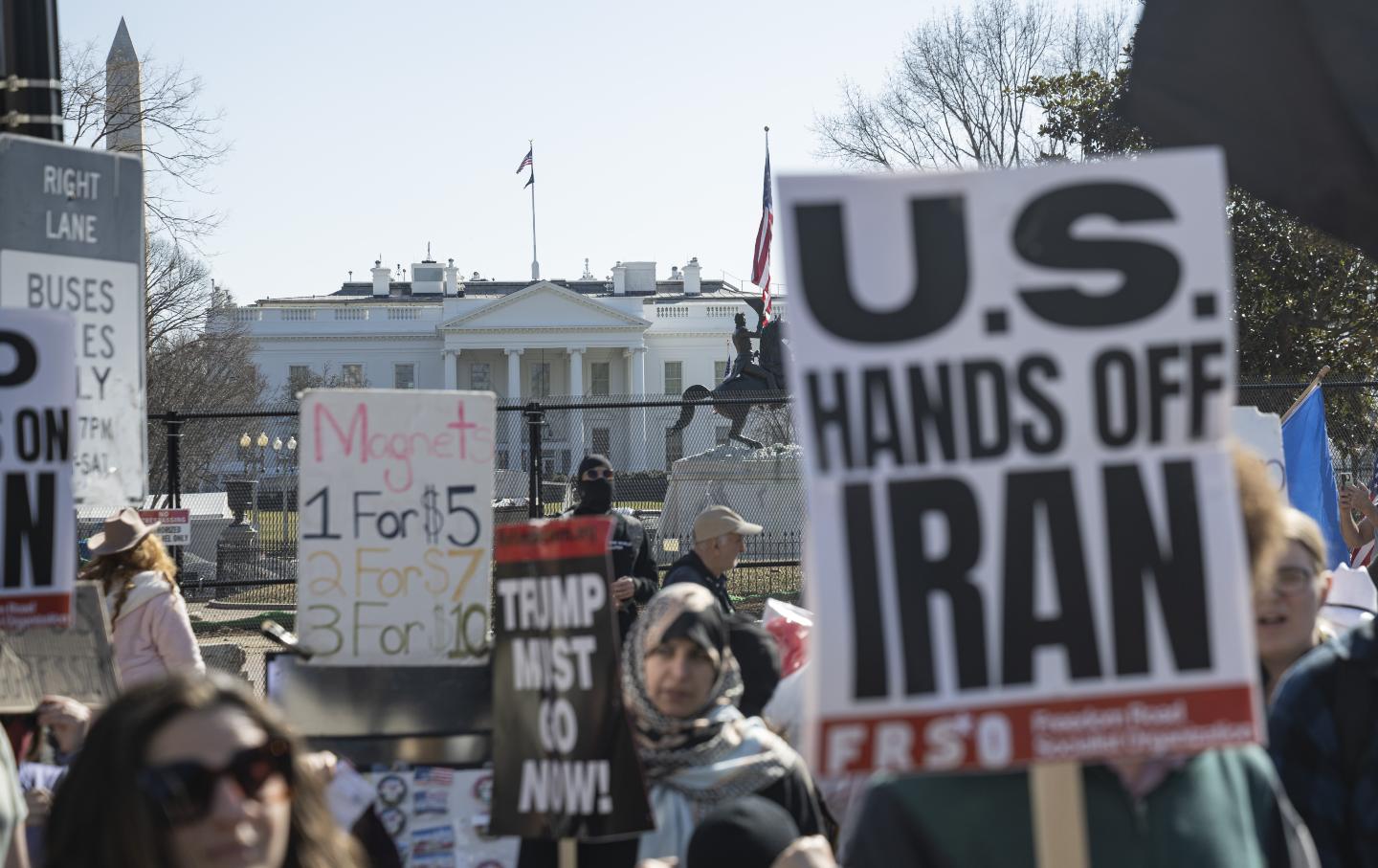
A proposed military conflict with Iran faces unprecedented unpopularity, with only 38 percent of Americans supporting bombing, yet organized anti-war movements remain largely absent. Seven hypotheses explain this disconnect between public opinion and activism. A primary factor is pervasive powerlessness among citizens, contrasting sharply with the 1960s when civil rights movement victories inspired Vietnam War protests. The civil rights movement demonstrated mass action's effectiveness, motivating young people to activism. Today's challenge involves overcoming resignation through winnable campaigns at local levels—such as school resistance to ICE or consumer boycotts of companies supporting military initiatives. Scaling successful grassroots efforts can rebuild confidence in collective power and energize broader resistance to government policies.
"A key reason so many young people in the 1960s threw themselves into the fight against US military involvement in Vietnam was that the civil rights movement had recently demonstrated the power of mass action. As Students for a Democratic Society's founding manifesto in 1962 put it, 'the Southern struggle against racial bigotry...compelled most of us from silence to activism.'"
"Now the biggest obstacle we face in our country is a pervasive sense of powerlessness. To overcome this feeling of resignation, we need more inspiring examples of successful struggles. Minnesota's successful mass resistance against ICE, for example, has begun to energize activism nationwide."
"The challenge now is to find and scale up winnable bottom-up campaigns, like getting our schools to break with ICE or getting millions of consumers to leave companies like OpenAI that are enabling Trump's war machine. Proving in practice that we have power in smaller battles can inspire millions to join the fight."
Read at The Nation
Unable to calculate read time
Collection
[
|
...
]