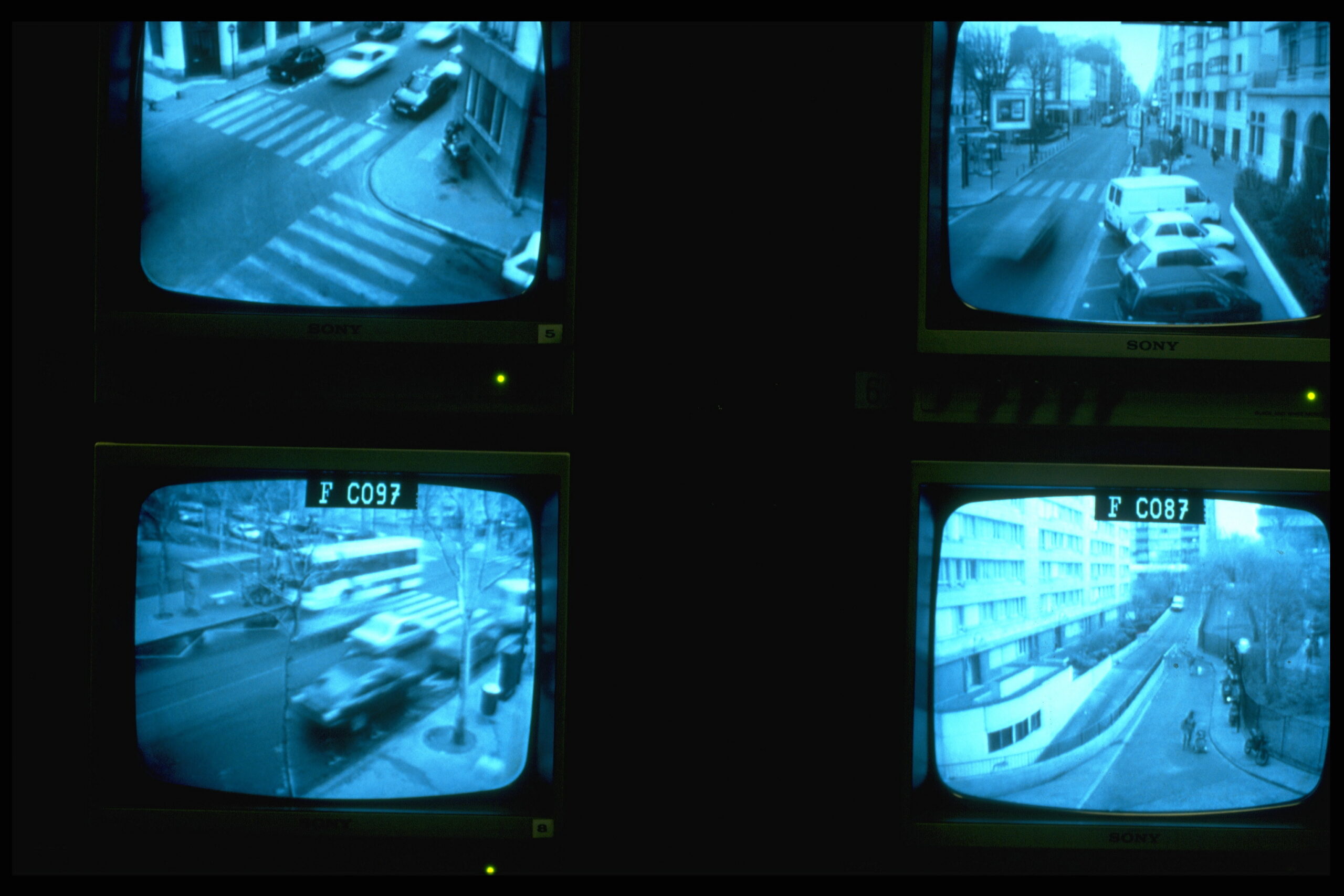
"Private detection and spying on people was only a cottage industry by comparison with what it is today, when everything happens, if not in the glare of publicity exactly, at least within the purview of electronic surveillance of one kind or another. Surveillance is to us what electricity was to James Thurber's aunt, that is to say leaking all over the house."
"I first realised the ubiquity of video surveillance in modern life when I gave evidence in murder trials. Murderers, it seemed, were videoed from the moment they left their front door until well after the time they left the location of their murder. The quality of the film in what now seem to me like the old days was very poor, so that it was actually quite difficult, for me at least, to recognize the protagonist of the surveillance videos, but their quality improved so that they became unmistakable."
Surveillance has transformed dramatically from the mid-20th century when private detectives conducted physical investigations to prove adultery in divorce cases, to today's pervasive electronic monitoring systems. The author reflects on discovering a private detective's report on their father during childhood in 1950s England, contrasting that era's limited surveillance with modern omnipresent video cameras and digital tracking. Video surveillance became apparent through murder trial evidence, where defendants were recorded continuously from their homes to crime scenes. The author initially believed this intensive monitoring was unique to criminal cases, but later recognized that comprehensive surveillance affects everyone equally—it simply becomes notable only when footage proves relevant to investigations.
Read at The American Conservative
Unable to calculate read time
Collection
[
|
...
]