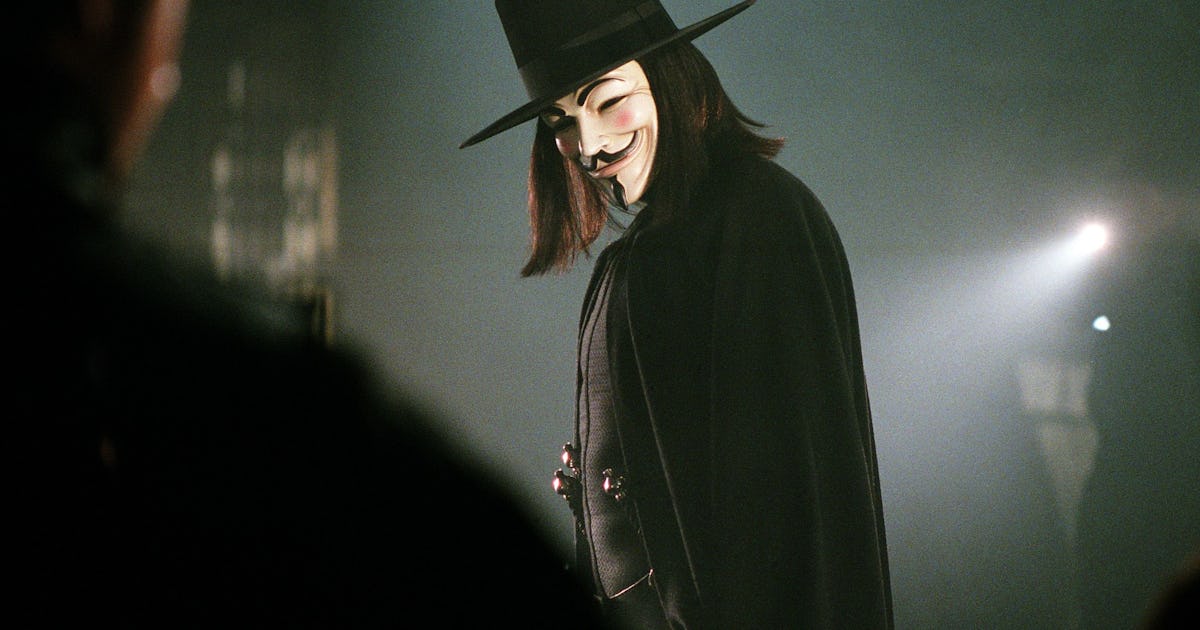
V for Vendetta, released in 2006, depicts a dystopian society controlled by a fascist regime where a masked anarchist fights against authoritarian oppression. While the film's contemporary relevance to current events is apparent, it was not designed to predict the future. Creator Alan Moore wrote the graphic novel in the late 1980s as a response to Margaret Thatcher's Britain, not anticipating its application to later eras. The Wachowskis adapted it during the Bush administration and Iraq War. Beyond its stylized action and iconic imagery, the film's enduring power stems from an underlying sadness that permeates the narrative, making it emotionally resonant across different time periods and political contexts.
"It would be wrong, though, to say predicted the future, and it's hardly the perfect movie for our times. Instead, the past two decades have emphasized an emotion that was always present in the 2006 movie but may have been buried under the stylized action, iconic mask, and depictions of righteous resistance. V for Vendetta is very sad."
"Moore, who has disavowed the film the way he has disavowed just about all adaptations of his work, was angry at Margaret Thatcher's Britain and imagined a dystopian English future where a masked anarchistic terrorist fought against a fascist state."
Read at Inverse
Unable to calculate read time
Collection
[
|
...
]