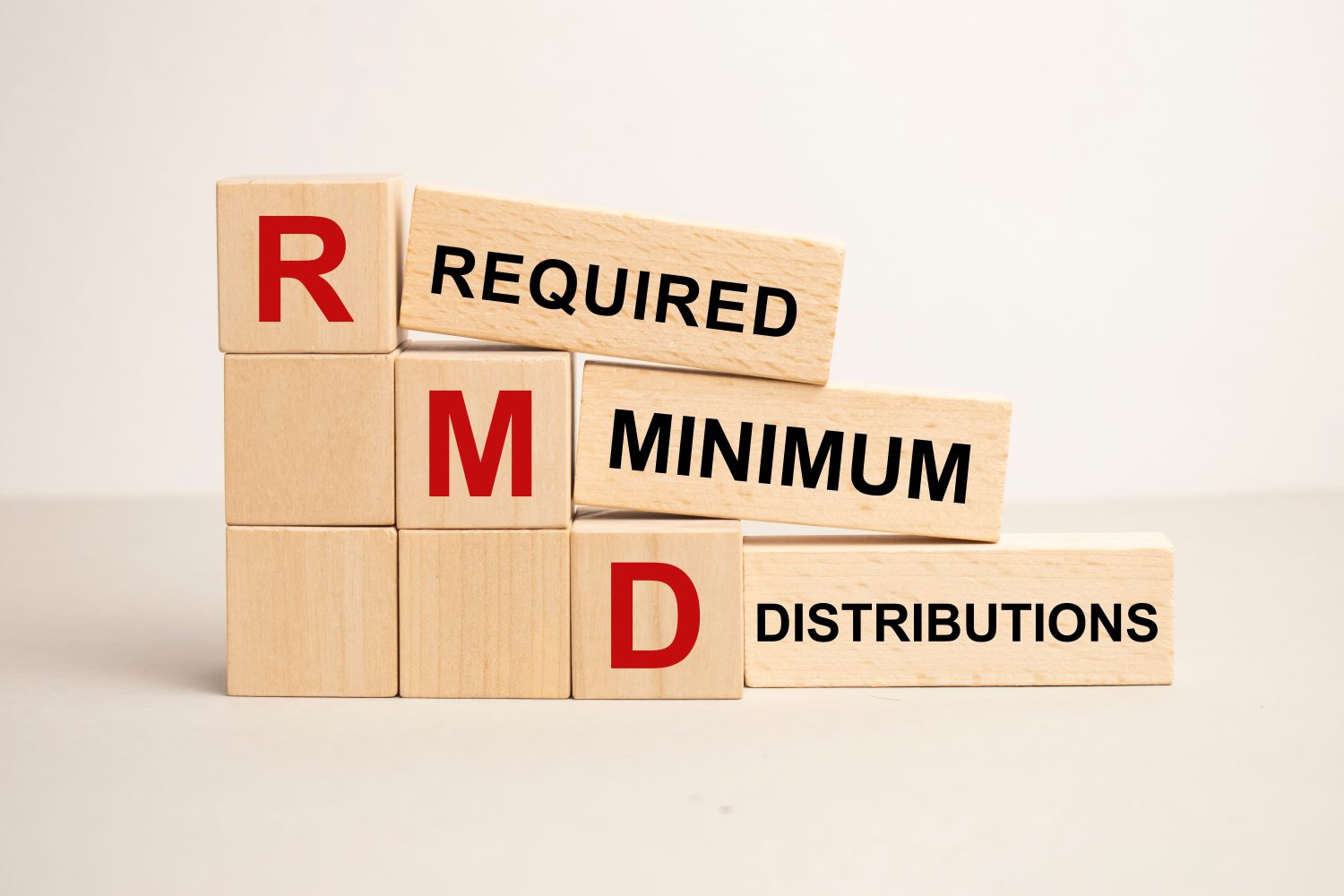
"The SECURE Act of 2019 and the SECURE Act 2.0 of 2022 all but fundamentally changed retirement account rules in ways that continue to catch both retirees and their beneficiaries by surprise. The changes weren't minor either, as they altered the r equired minimum distribution timeline, eliminating the stretch IRA strategies for most beneficiaries, and created new compliance deadlines that now carry some pretty severe penalties. It goes without saying that understanding these rules is critical, as the penalties from the IRS can be steep if you are not compliant."
"The most visible changes for people are going to start under the RMDs. Under the original SECURE Act, retirees who turned 72 in 2020 or later had to start their RMDs at 72 instead of 70.5. SECURE 2.0 has now raised the age to 73 for anyone who is turning 72 in 2023 or later. And starting in 2033, the RMD age is going to increase to 75."
"This delay provides an additional year for assets to grow tax-deferred, which can be a valuable opportunity to fine-tune the combination of Social Security benefits and retirement withdrawals. In addition, the SECURE 2.0 Act has eliminated the RMD requirement for Roth 401(k) accounts during the lifetime of the account owner, starting in 2024. This brings employer-sponsored Roth plans in line with Roth IRAs, which have never been subject to lifetime RMDs. By removing these mandatory distributions, retirees are now able to gain more flexibility with income planning, allowi"
The SECURE Act (2019) and SECURE 2.0 (2022) materially changed retirement-account rules by altering required minimum distribution (RMD) timelines and ending stretch IRA strategies for most beneficiaries. RMD starting ages rose from 70.5 to 72, then to 73 for those turning 72 in 2023, with a scheduled increase to 75 in 2033. SECURE 2.0 also removes lifetime RMDs for Roth 401(k) accounts beginning in 2024, aligning them with Roth IRAs. The changes introduce new compliance deadlines and steep IRS penalties, increase the need for proactive tax and withdrawal planning, and offer extra tax-deferred growth opportunity.
Read at 24/7 Wall St.
Unable to calculate read time
Collection
[
|
...
]