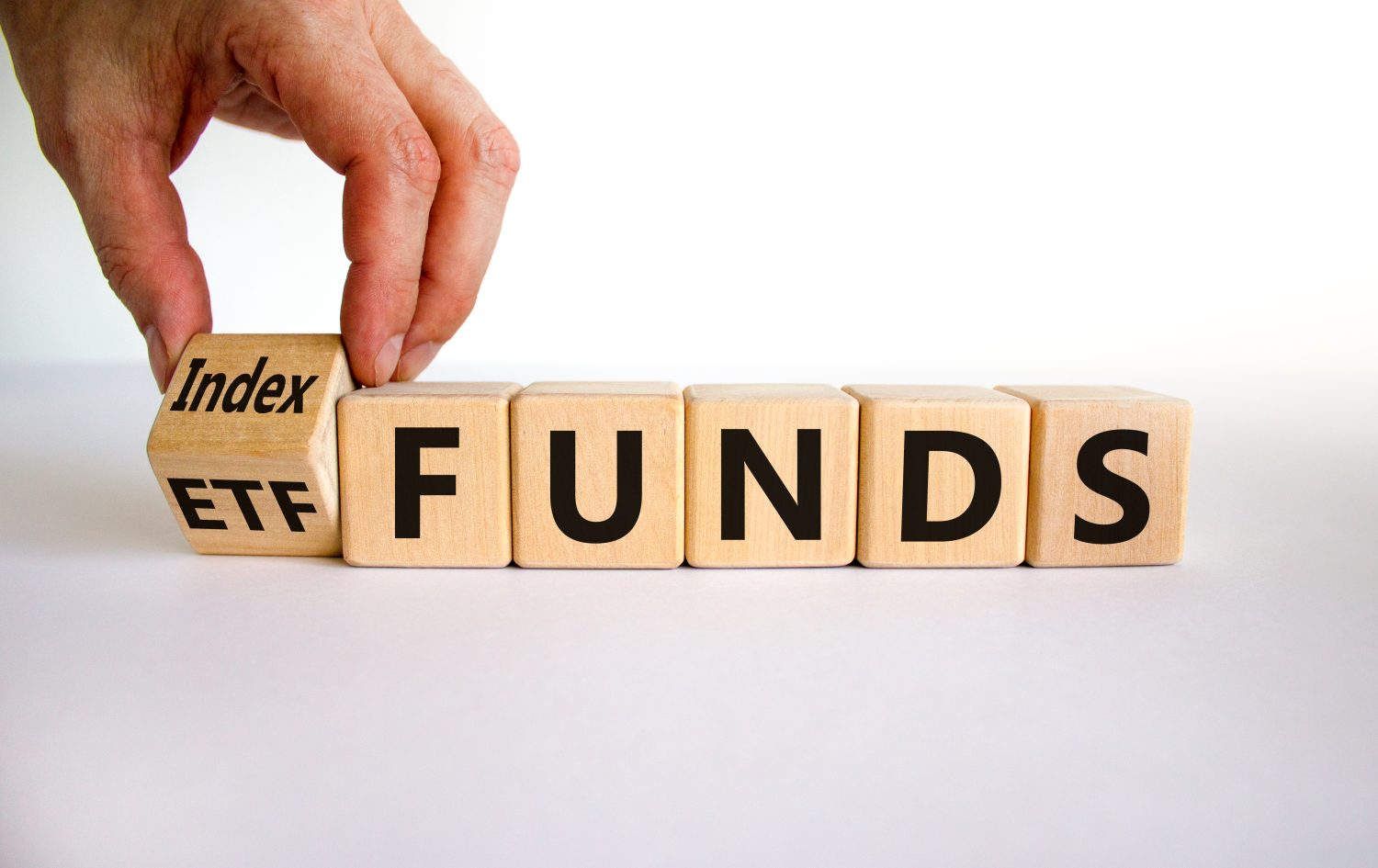
"What gets glossed over in most of these conversations is taxes, as everyone focuses on the accumulation phase by maxing out your 401(k), funneling money into accounts like the Vanguard Total Stock Market Index Fund, and watching your net worth compound. However, when you retire early and need your portfolio to generate income, the tax bill can be significantly higher than you planned for, particularly if most of your money is in tax-deferred accounts or you've accumulated large unrealized gains in taxable accounts."
"Index funds are tax-efficient during the accumulation phase because they generate minimal taxable distributions, and most of the returns come from unrealized capital gains that aren't taxed until you sell. This is fantastic news while you are working and contributing, but it creates a problem if you want to retire early and need to start selling shares to generate income."
Index funds offer low fees, broad diversification, and long-term outperformance versus most active funds, making them a common retirement investment choice. The FIRE movement centers retirement strategies on accumulating index funds and systematic withdrawals. Taxes can substantially increase costs in retirement, especially for early retirees with large tax-deferred balances or unrealized gains in taxable accounts. Withdrawals that look sustainable pre-tax may generate significant tax bills, and early access to 401(k) funds requires a complex Roth conversion ladder that can take five years or more. Index funds are tax-efficient during accumulation, but selling shares to generate income triggers capital gains taxation that changes retirement math.
Read at 24/7 Wall St.
Unable to calculate read time
Collection
[
|
...
]