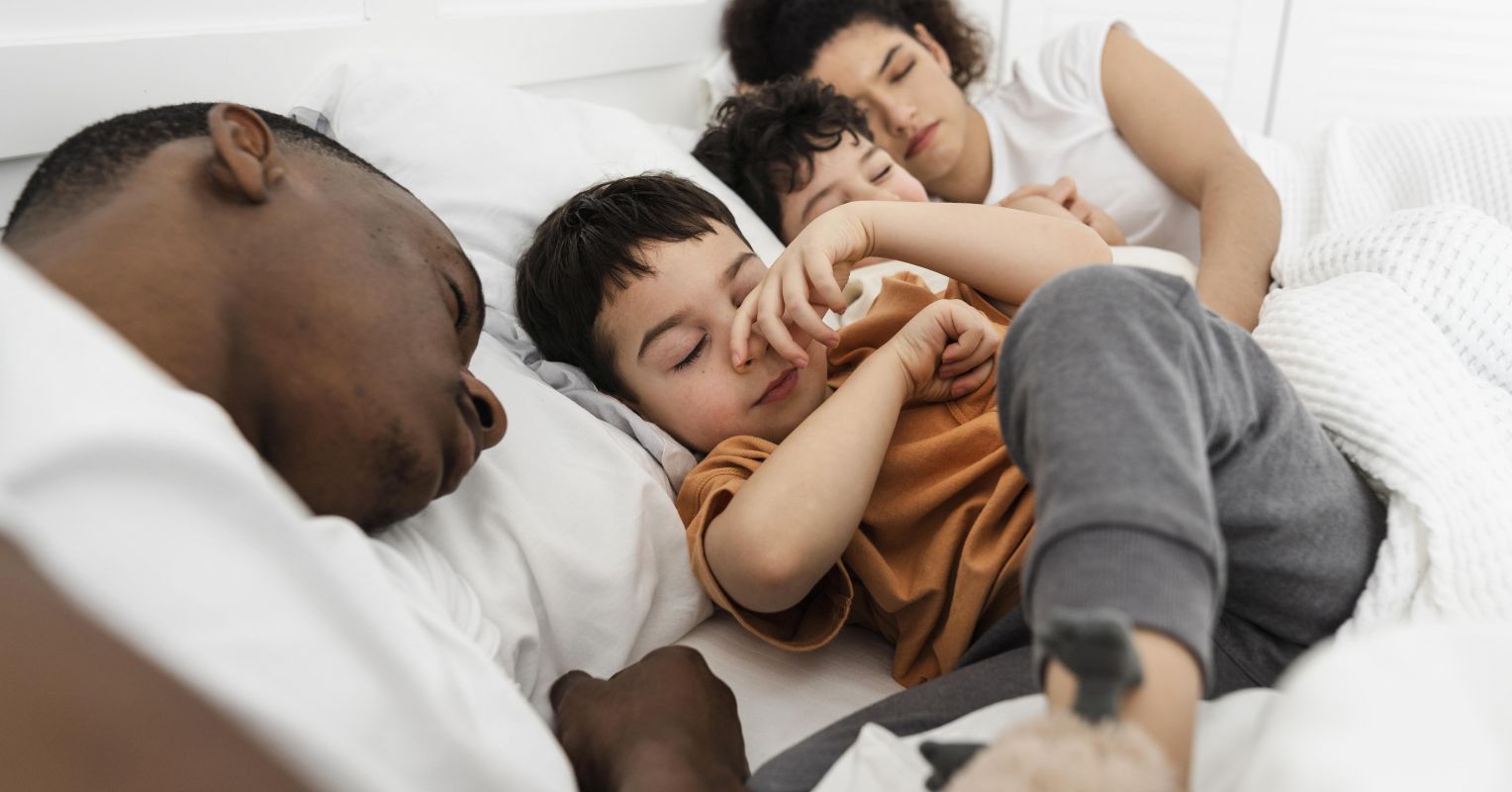
"Touch fatigue, or what many parents call being "touched out," happens when your body and brain have reached their limit on physical contact. From the moment you wake up, little hands tug at you, babies nurse, toddlers climb into your lap, and someone always needs something from you. By evening, even a loving hug can feel like one more demand on a system that's already running on fumes."
"From an attachment and neurobiological perspective, touch fatigue makes perfect sense. Bonding with a baby floods the body with oxytocin, dopamine, and endorphins, the same hormones that underlie love and bonding in romantic relationships. Oxytocin, often called the "love hormone," promotes trust and attachment; dopamine fuels motivation and reward; and endorphins create calm and pleasure. These neurochemical surges occur during everyday moments of connection, feeding your baby, skin-to-skin contact, cuddling, or even simple eye contact."
Touch fatigue, or feeling 'touched out,' occurs when the body and brain reach their limit on physical contact after continuous caregiving demands. Bonding with a baby floods the body with oxytocin, dopamine, and endorphins, which promote attachment, reward, calm, and pleasure. Those hormones do not distinguish caregiving touch from romantic touch, so satisfying attachment needs through parenting can leave the nervous system craving space rather than more intimacy. By evening even a hug may feel like an extra demand, creating a common barrier to sex and desire after children. Sensory breaks, shared labor, and small intentional daily moments of connection help rebuild safety, goodwill, and sexual openness.
Read at Psychology Today
Unable to calculate read time
Collection
[
|
...
]