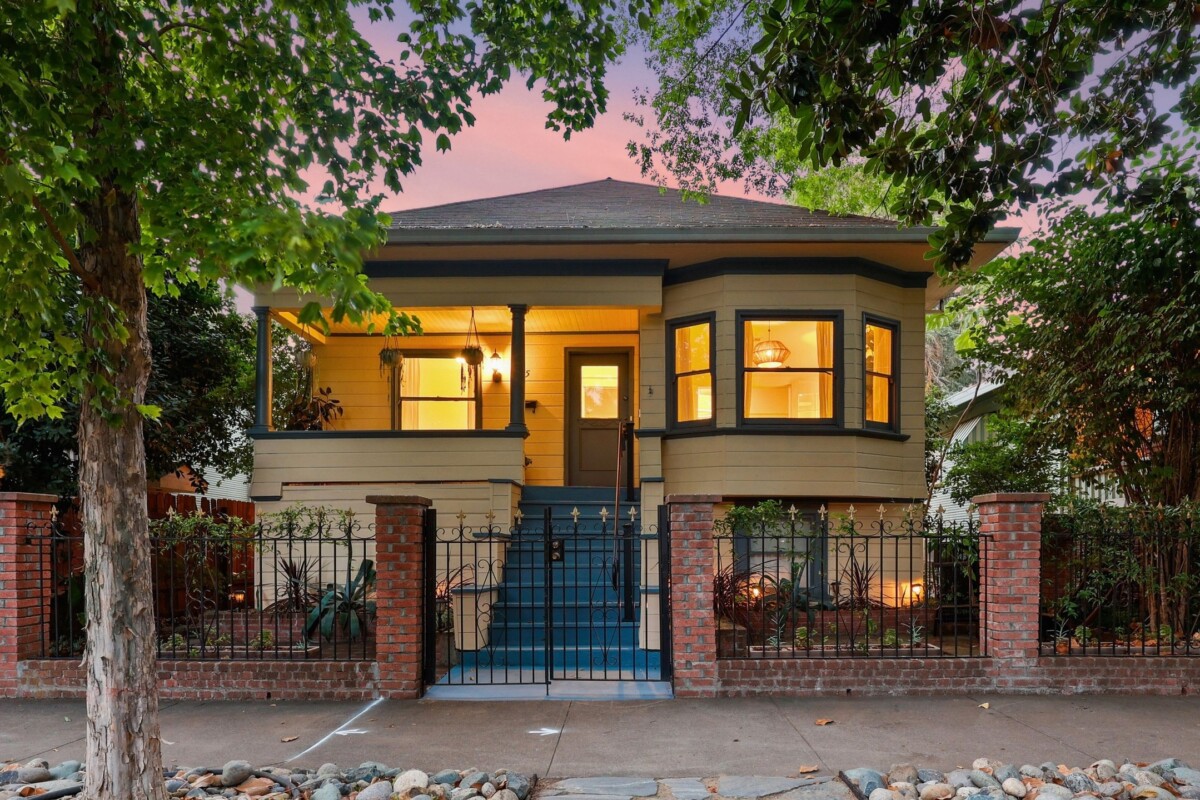
"Contingent homes mean the seller has accepted an offer, but they're still active listings. Pending homes are no longer active listings and are in the process of being sold. Contingencies are specific conditions that must be met during a real estate transaction. If they aren't met, then a buyer or seller is legally allowed to back out of the deal. When looking at homes for sale, you'll often see listings labeled as "contingent" or "pending.""
"What are common contingencies in real estate? Real estate contingencies can be based on a number of factors. Some of the more common contingencies when buying a house include: Financing contingency: If a buyer can't get financing, the seller can opt out. Appraisal contingency: If an appraisal reveals that the home is worth less than the offer, the buyer can request a lower price or opt out. Inspection contingency: If a home inspection reveals problems, the buyer can request repairs, compensation, or opt out."
Contingent means a seller has accepted an offer but the transaction depends on specific contingencies, so the listing remains active until those conditions are met. Pending means all contingencies have been satisfied or waived, the listing is no longer active, and the sale is proceeding toward closing. Common contingencies include financing, appraisal, inspection, title, and home-sale contingencies, each allowing a buyer or seller to back out or renegotiate if issues arise. Contingency statuses indicate which condition remains outstanding and determine whether the contract can be terminated if unresolved.
Read at Redfin | Real Estate Tips for Home Buying, Selling & More
Unable to calculate read time
Collection
[
|
...
]