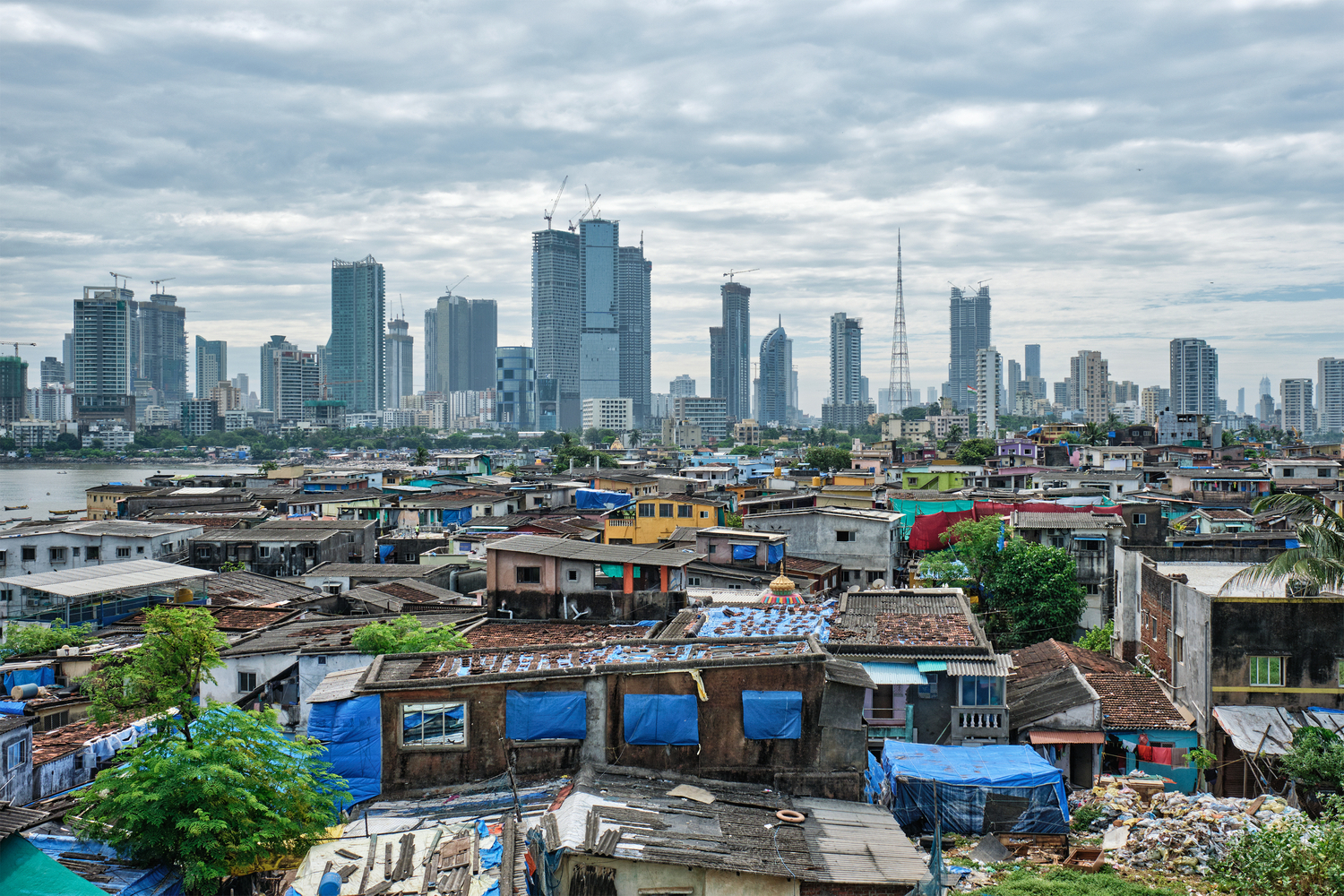
"The magic of Indian architecture lies in an invisible order amidst visceral chaos. When an uncertain future knocks on the doors of local practitioners, one might begin to look within the four walls they occupy to discover an opportunity for reinterpretation. Mumbai, Delhi, Bengaluru, and other major metropolises are described as needing massive housing solutions for millions. The instinctive answer is predictable - masterplans, dense towers, and standardized units smeared over haphazard developments."
"The lexicon misses a deeper truth about how the people already live, work, and build in India. The shorthand used in policy and planning - slum, informal settlement, unauthorized colony - implies a temporary state to be corrected. A designer's eye views these places as layered urban histories, formed through necessity."
Indian architecture contains an invisible order within apparent visceral chaos. Local practitioners facing an uncertain future can look within the four walls they occupy to find opportunities for reinterpretation. Major metropolises like Mumbai, Delhi, and Bengaluru are framed as needing massive housing for millions. The default planning response is masterplans, dense towers, and standardized units applied over haphazard developments. Policy and planning labels—slum, informal settlement, unauthorized colony—treat these places as temporary problems to be corrected. The everyday patterns of how people live, work, and build reveal layered urban histories formed through necessity that merit recognition and design-sensitive responses.
Read at ArchDaily
Unable to calculate read time
Collection
[
|
...
]