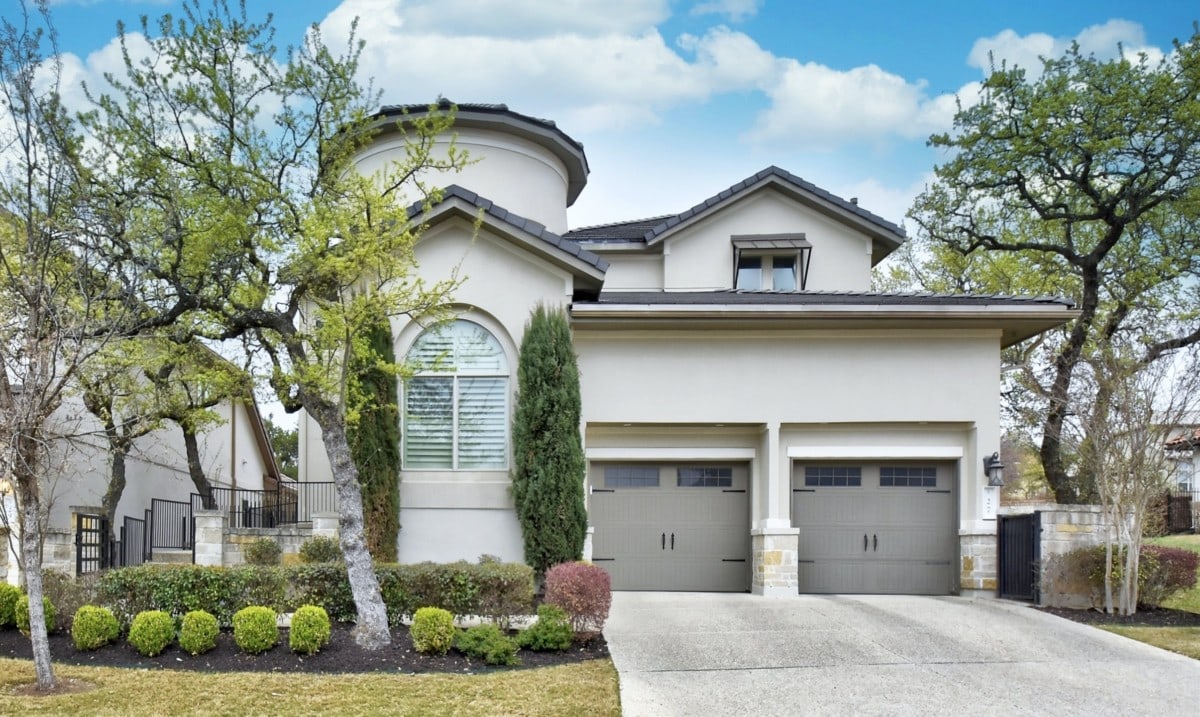
Home inspections prioritize safety, functionality, and long-term cost, with emphasis on major systems that drive repair expenses. Inspectors focus on significant defects—failing roofs, basement flooding, or malfunctioning furnaces—before documenting minor imperfections. Roof evaluations examine shingles, flashing, soft spots, algae, and attic or ceiling moisture to estimate remaining lifespan. Water damage and moisture risks are checked at plumbing, windows, roof transitions, and foundations. Inspectors structure reports and conversations around major cost components and provide context about financial implications and negotiation leverage. Prioritization of major defects helps reveal issues that materially affect habitability and resale value.
"The roof is one of the most expensive components of a home and one of the first areas inspectors evaluate. Even if it is not brand new, its remaining lifespan can influence negotiations and future repair costs. Inspectors typically look for missing or curling shingles, damaged flashing, soft spots, algae growth, and signs of moisture intrusion in the attic or ceilings. These indicators help determine whether a roof is nearing the end of its useful life."
""Many clients and even some realtors think a home inspector is hired to find all the problems in a home," she says. "We tell our clients and realtors we are there to find the bears." She adds, "We will probably see many squirrels during the inspection, many of which may be included in the report, but that is not our priority. If we focus on the squirrels, a bear could run right in front of us and not be noticed.""
Read at Redfin | Real Estate Tips for Home Buying, Selling & More
Unable to calculate read time
Collection
[
|
...
]