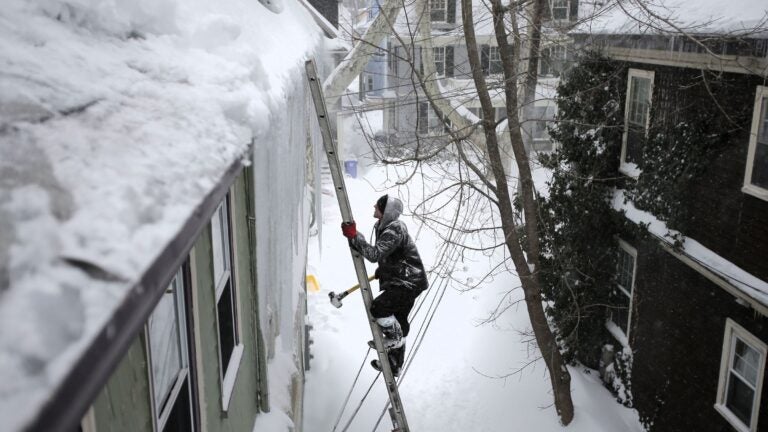
"In fact, it acts as an insulator that protects the shingles. And, even when it's deep, the snow's weight is less than what the roof is designed to bear; the average roof is built to carry loads of 65 pounds per square foot. Even flat roofs, which seem more vulnerable to snow loads than pitched ones, are pretty tough. In fact, residential flat roofing is stronger than commercial roofs."
"He said that some of the worst damage to roofs is caused by wind shears. When heavy winds change direction, they can tear shingles off and loosen the ridge caps. He added that older roof shingles were designed to withstand winds of 80 miles per hour. Now, they're made to handle 130 mile-per-hour winds."
"Snow itself is usually not damaging to roofs; its weight is the biggest concern, and building codes usually ensure modern roofs can carry it. Even three-deckers from the early 20th century, with their flat roofs, have proven able to handle New England's snows."
Snow on roofs often acts as an insulator that protects shingles. Even deep snow typically weighs less than roofs are designed to bear; the average roof is built to carry 65 pounds per square foot. Residential flat roofs are relatively strong and can handle heavy snow. Wind shear and changing wind direction pose a greater threat by tearing shingles and loosening ridge caps. Modern shingles have higher wind ratings, increasing from about 80 mph historically to around 130 mph today. Water seepage can produce ice dams on older pitched roofs, and improved technology and maintenance can mitigate those problems.
Read at Boston.com
Unable to calculate read time
Collection
[
|
...
]