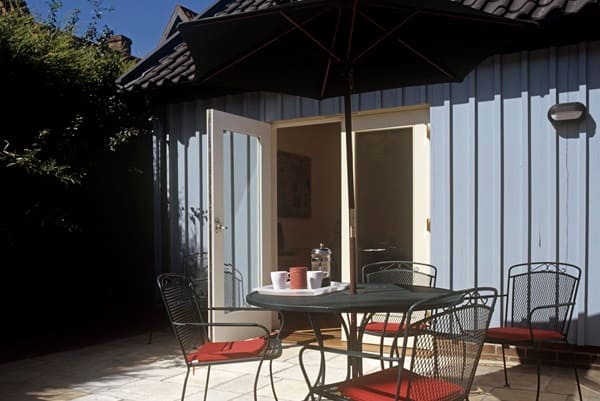
"Originally built in the 18th and 19th centuries as stables or carriage houses, these homes were tucked behind larger townhouses and offered discreet accommodation for horses and staff. Over the years, they have been transformed into stylish, character-filled residences that perfectly combine historic charm with modern luxury. Today, they are considered prime real estate, highly prized by buyers looking for a unique living experience in the heart of London."
"Walking down the cobbled streets of a typical mews, it's easy to see why these properties are so appealing. The quiet lanes feel like a hidden sanctuary amidst the bustling city, offering privacy that's rare in central London. Many mews houses retain original features such as exposed brickwork, timber beams, and period doors, which add a distinct personality and charm not found in standard flats or townhouses. These architectural details, combined with contemporary renovations, make mews homes a perfect balance of heritage and comfort."
Mews houses originated in the 18th and 19th centuries as stables and carriage houses tucked behind larger townhouses, providing discreet accommodation for horses and staff. These properties have been converted into stylish, character-filled residences that blend historic features—exposed brickwork, timber beams, and period doors—with contemporary amenities and open-plan layouts. Cobbled mews streets provide quiet, secluded lanes that feel like hidden sanctuaries amid central London’s bustle, offering privacy rare in the city. Locations remain close to squares, theatres, boutique shops and restaurants, making them ideal urban retreats. The combination of heritage character, central location, and flexible living spaces underpins strong desirability and investment potential.
Read at London Business News | Londonlovesbusiness.com
Unable to calculate read time
Collection
[
|
...
]