"Baby boomers stayed in their homes longer than any other age cohort - about 20 years before downsizing. But instead of finding a safety net as they age, a wealth gap means that many are aging into uncertainty. Housing needs grow more complex over time, including memory care and assisted living, and even homeownership and planning can't insulate from unexpected disruptions."
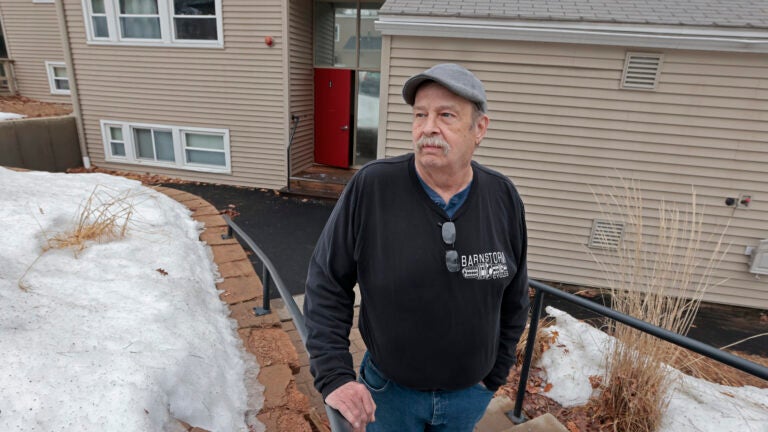
"In Southbridge, retired firefighter David Bourassa, 67, moved into the Lebanon Hill Housing complex with his wife, Karen, 67, in 2020 after his battle with cancer forced them to give up the home they owned for 20 years. Last year, the property was purchased by Westborough-based Shorelight Real Estate, which increased rent by up to 70 percent - a hike that Bourassa said is untenable on a fixed income."
"I had a dream when I was younger, you know, buy a house just like everybody else, own a property, and have a place to retire. That doesn't work, because life has its own plan for you."
Baby boomers represent the largest share of home sellers and buyers in 2025, yet many face unexpected housing insecurity as they age. Massachusetts's senior population has nearly doubled since 2010, now comprising 23 percent of residents. While boomers typically remain in homes for approximately 20 years before downsizing, aging introduces complex needs including memory care and assisted living. A significant wealth gap leaves many vulnerable to disruption. In Southbridge, retired firefighter David Bourassa exemplifies this crisis: after losing his home due to cancer, he moved to senior housing that lost federal affordable housing protections. When new ownership increased rent by up to 70 percent, his fixed retirement income became insufficient, forcing difficult choices despite decades of homeownership and planning.
#senior-housing-affordability #baby-boomer-retirement-crisis #wealth-gap-and-aging #rental-increases-and-fixed-income #housing-instability
Read at Boston.com
Unable to calculate read time
Collection
[
|
...
]