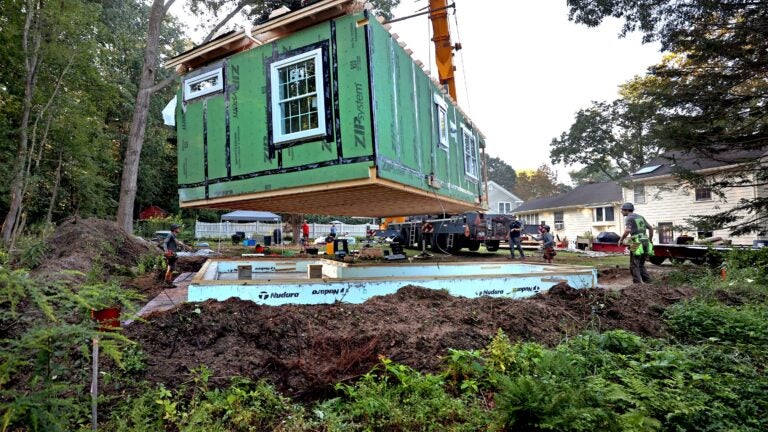
"In 2024, Massachusetts unveiled a program to allow for accessory dwelling units to be constructed on residential properties that are zoned for single-family residences across the state. It went into effect in 2025. Together with the MBTA Communities Act, which relaxes zoning restrictions along public transit routes, the hope is to increase the housing stock. Benefits of the ADU program range from the potential to earn rental income to the opportunity to have a caregiver or elderly parent move onto the property."
"The ADU cannot exceed half of the existing home's gross floor area or 900 square feet, whichever is smaller. The ADU needs to have a kitchen, bathroom, and its own means of entry and egress. The ADU must be built to current building codes. 3 Types of ADUs Internal units: These are built entirely within the existing home's footprint. More often than not, that's a basement renovation that can take advantage of an existing doorway that may or may not be inside a bulkhead."
Massachusetts adopted a program permitting accessory dwelling units on properties zoned for single-family residences, effective 2025. The MBTA Communities Act relaxes zoning along transit routes to help expand housing supply. ADUs can generate rental income or provide space for caregivers or elderly relatives. Size is limited to half the existing home's gross floor area or 900 square feet, whichever is smaller. Required features include a kitchen, bathroom, separate entry and egress, and compliance with current building codes. Internal ADUs often use basements for cost-effectiveness, while attic conversions can require dormers and new stairs to meet code.
Read at Boston.com
Unable to calculate read time
Collection
[
|
...
]