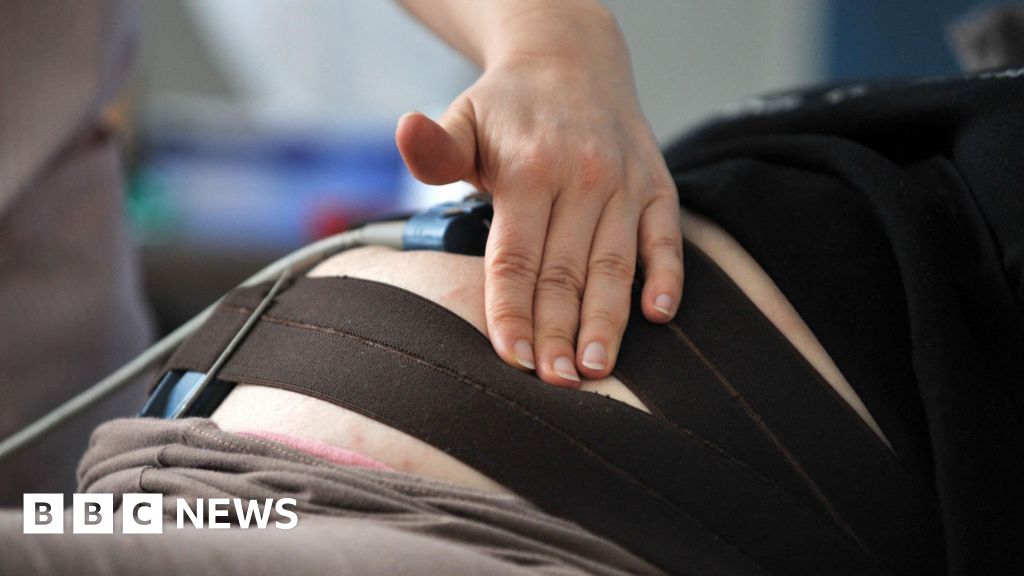
"“The trouble is, sometimes the world around us has been designed by men and therefore doesn't adequately take into account the needs of women.” Public health director Prof Matt Ashton is explaining why groups in Liverpool are trying to remedy the historical under-resourcing of women's healthcare. A review of the city's medical challenges two years ago revealed its residents - male and female - had shorter lives than the national average."
"“What it shows is that women in Liverpool spend around 30% of their lives in poor health and experience ill health around 10 years earlier than women nationally well, clearly this is shocking.” Hundreds of health and community leaders gathered at a major conference on Friday to discuss making improvements, after the report also found lung cancer mortality and respiratory deaths among the city's women were double the national average."
"“Women in Liverpool face deep inequalities but also show incredible resilience.” Debbie Nolan, head of health services for Citizens Advice Liverpool, says the data “reflects what the voluntary and community sector sees every day - women's health is shaped as much by poverty, housing, caring responsibilities and safety as by healthcare”. She adds community organisations fill “a vital role in supporting women where systems don't always meet their needs”."
A review of Liverpool’s medical challenges found residents had shorter lives than the national average, with particular impacts on women’s health outcomes and female life expectancy. Women in Liverpool spend about 30% of their lives in poor health and experience ill health around 10 years earlier than women nationally. Lung cancer mortality and respiratory deaths among women are double the national average, and drug-related fatalities among women are more than three times the England average. Community and voluntary leaders say women’s health is shaped by poverty, housing, caring responsibilities, and safety as much as by healthcare. Community organisations are described as filling gaps when systems do not meet women’s needs.
#womens-healthcare #public-health-inequalities #liverpool #respiratory-and-lung-cancer-mortality #drug-related-fatalities
Read at www.bbc.com
Unable to calculate read time
Collection
[
|
...
]