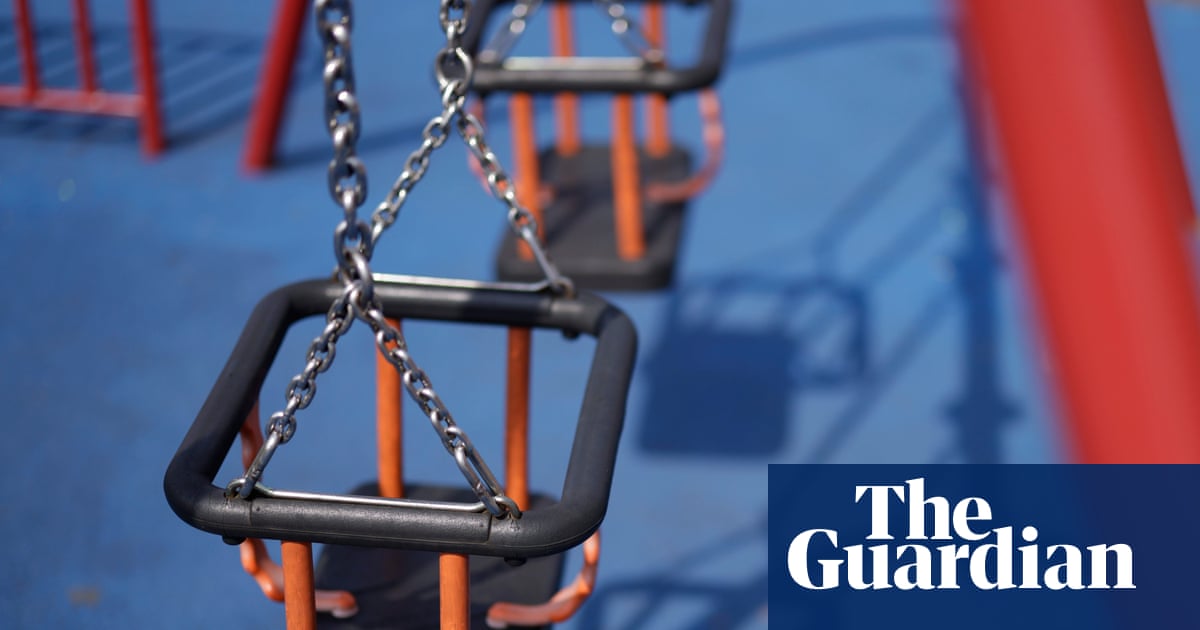
"It is deeply concerning to find a highly hazardous pesticide like glyphosate present in the very places where our children play, said Pan UK's Nick Mole. We all know that young children tend to put their fingers and other items in their mouths, so finding glyphosate residues in playgrounds, including on play equipment such as swings and slides, is particularly worrying."
"Our studies have shown that exposure to glyphosate herbicides is a significant risk factor for the development of a range of serious health conditions including fatty liver and kidney disease and, most worryingly, a wide range of cancers including leukaemias. The assertion by government regulators that glyphosate is safe does not stand up to latest scientific scrutiny, which shows that a safe dose of g"
Campaigners from Pesticides Action Network UK took swabs and soil samples at 13 playgrounds in Kent, Cambridgeshire, Buckinghamshire, Tower Hamlets and Hackney. Traces of glyphosate or its breakdown product AMPA were found at eight playgrounds. Hackney returned no traces after going glyphosate-free in public green spaces in 2021. The World Health Organization listed glyphosate as a probable human carcinogen in 2015. Local authorities continue to apply thousands of litres of glyphosate-based herbicides to parks, playing fields, cemeteries and pavements. Traces were detected on play equipment, raising concerns because young children frequently put fingers and items in their mouths. A specialist in molecular genetics and toxicology warned that glyphosate exposure is linked to conditions including fatty liver, kidney disease and various cancers, and stated that regulatory assurances of safety are contested by latest scientific scrutiny.
Read at www.theguardian.com
Unable to calculate read time
Collection
[
|
...
]