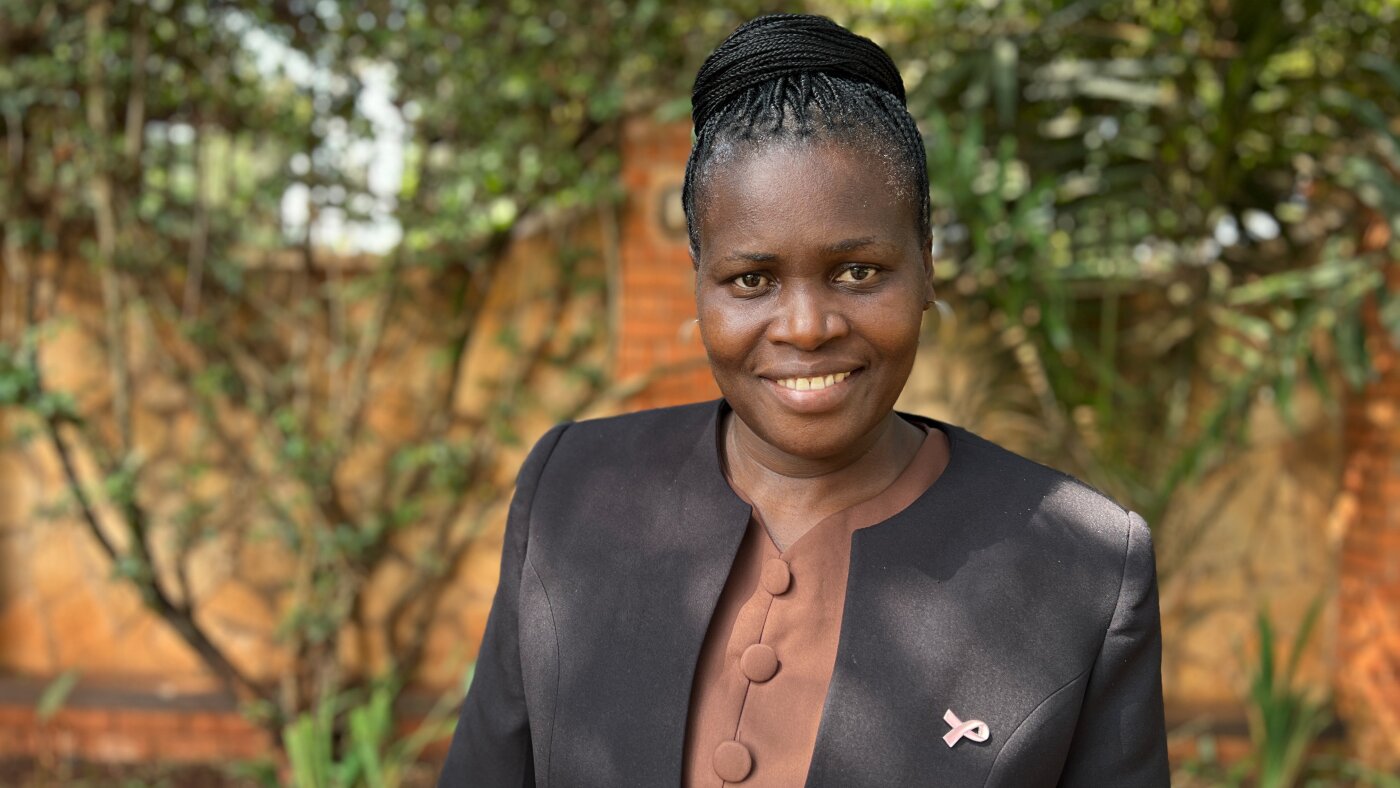
"Deborah Nantenza learned about cervical cancer screening at a hospital in eastern Uganda, a rural region where early diagnosis is rare. She knew women who had died of the disease yet feared being tested. "The health workers encouraged me," Nantenza says. Clinical staff found precancerous cervical cells during that June 2022 clinic screening, and the 46-year-old mother of six was quickly treated. "I'm feeling better," says Nantenza, who now advocates for other women, many never screened before."
"The team at Rays of Hope Hospice Jinja in Uganda had long wanted to do more. Even with liquid morphine and other pain medications the hospice provided to ease symptoms, women with cervical cancer "didn't just die a normal death. They died after suffering, suffering," says Sylvia Nakami, executive director of the 20-year-old nonprofit. So back in 2018, they expanded beyond such end-of-life care into prevention, offering cervical and breast cancer exams in the mostly rural Busoga region."
"Staff clinical workers also provide on-site treatments for precancerous cervical lesions and educate communities about the HPV vaccine, which protects against cervical cancer, countering myths about infertility. And in a project launched in 2023, Rays of Hope has helped the district health department bring HPV vaccinations to more than 47,000 girls. "There is something we can do about it. And it gives us hope," says Nakami, adding that staff members no longer witness just "one exit: death.""
A hospice in Jinja, Uganda expanded from end-of-life care into cancer prevention and screening beginning in 2018. Clinical teams now offer cervical and breast exams in rural Busoga, perform on-site treatment for precancerous cervical lesions, and conduct community education about HPV vaccination and infertility myths. Nearly 29,000 screenings have been conducted and a 2023 project helped deliver HPV vaccinations to more than 47,000 girls through district health partnerships. Individual screening detected precancerous cells and enabled rapid treatment, and staff describe the shift as creating hope and reducing preventable suffering and deaths.
Read at www.npr.org
Unable to calculate read time
Collection
[
|
...
]