"In 1950, only around one in five people lived in a city. Now, that figure is close to one in two. Thirty-three of these urban centres have achieved megacity status, meaning they are home to more than 10 million people. One of the largest - Tokyo, which has more than 33 million residents - is a behemoth of modern technology. Its major train station in Shinjuku is the world's busiest, with an average of 2.7 million people passing through it every day."
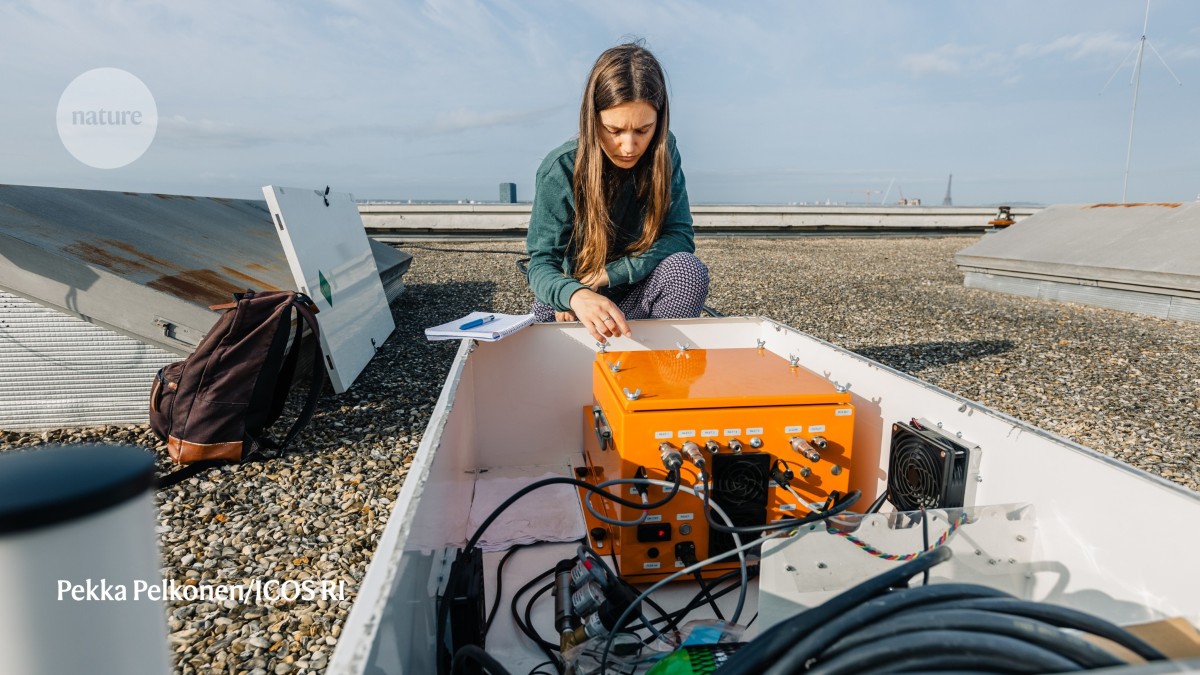
"Such a large city ecosystem cannot be studied at a single glance, whether it be from space or at street level. Understanding its inhabitants and how it functions requires scientific instruments that can capture changes over time and in several dimensions and locations, from subterranean structures to the noisy, polluted streets and the skies above. Here are four innovative scientific initiatives that are using sensors to explore how the constantly shifting cityscape affects the creatures it was created for: people."
"Summers in Ahmedabad are hot. In this city of more than nine million people, in the western Indian state of Gujarat, average temperatures in May hover at around 40 °C. This is well above what is deemed comfortable, and approaches levels that are dangerous for humans to live in. Those in the tightly clustered slums of the city are particularly vulnerable, inadequately protected from the heat by poorly built housing that is not well maintained."
Urban populations have grown dramatically, producing multiple megacities that concentrate millions of people and intense infrastructure. Large city ecosystems require instruments that measure changes across time, depth and urban environments, from underground structures to polluted streets and skies. Sensor-driven scientific initiatives are being deployed to capture multidimensional data and assess how shifting cityscapes affect human health and wellbeing. In Ahmedabad, extreme May temperatures near 40 °C especially endanger slum residents; solar-reflective roof paints can cut daytime indoor air temperatures by up to 2.7 °C. An international 2023 study is using sensors to track health outcomes across diverse locations including Ahmedabad, Burkina Faso, Mexico and Niue.
Read at Nature
Unable to calculate read time
Collection
[
|
...
]