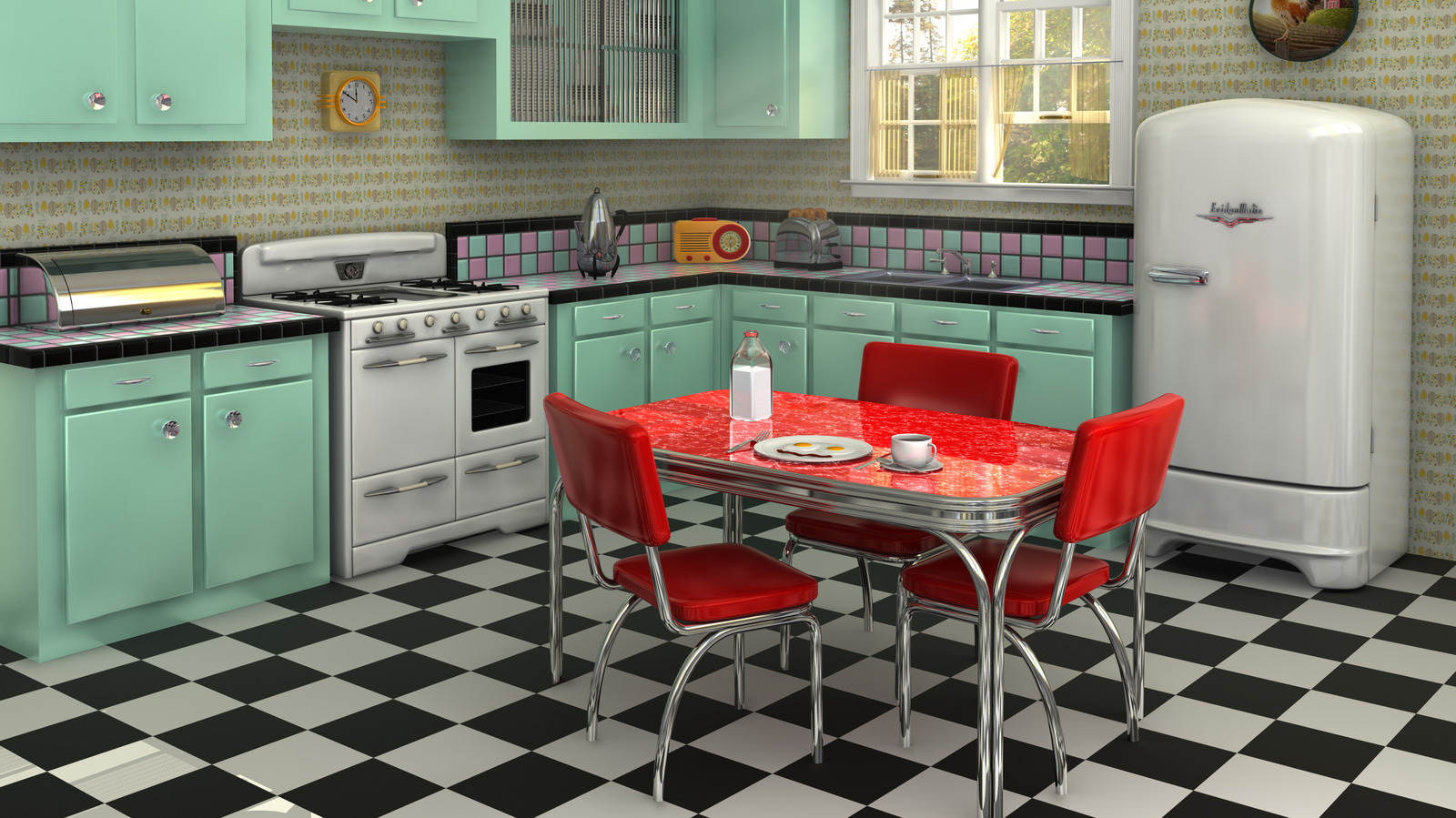
"From around 1920 to the 1960s, many homes were built with asbestos floor tiles. They were popular because the tiles were durable, easy to clean, water-resistant, and available in a range of colors. Unfortunately, at that time people were generally unaware of the dangers of asbestos. In fact, Julia Child once baked with an asbestos tile to achieve extra crackly bread. However, long-term exposure to asbestos fibers during manufacturing or installation processes has been proven to cause lung cancer, mesothelioma, or asbestosis."
"If materials containing asbestos (a silicate mineral fiber that occurs naturally in rock and soil) are disturbed due to renovation or construction work, even decades later, breathing in the dust can cause major health issues. By 1989, when the dangers of asbestos were better understood, the EPA prohibited the use of the material in any new construction. The ban caused outcry by the asbestos industry and was overturned on appeal in 1991, and a final ruling against the dangerous building material wasn't instituted until 2019."
"There are many kitchen design trends from the 1950s that are still considered timeless today. However, despite the fact that many vintage kitchen items were built to last longer and work harder, there are some old-school trends you should avoid because they could pose safety issues. For instance, a particular kitchen floor material that was incredibly popular in the 1950s was actually very dangerous, but homeowners didn't know it yet."
From around 1920 to the 1960s many homes were built with asbestos floor tiles because they were durable, easy to clean, water-resistant, and available in a range of colors. Long-term exposure to asbestos fibers during manufacturing or installation has been proven to cause lung cancer, mesothelioma, and asbestosis. Disturbing asbestos-containing materials during renovation or construction can release fibers that remain dangerous even decades later. By 1989 the EPA prohibited asbestos in new construction, though that ban was overturned on appeal in 1991 and a final ruling limiting uses was not instituted until 2019. Many U.S. properties may still contain asbestos products and homeowners were urged to test or check property records.
Read at Tasting Table
Unable to calculate read time
Collection
[
|
...
]