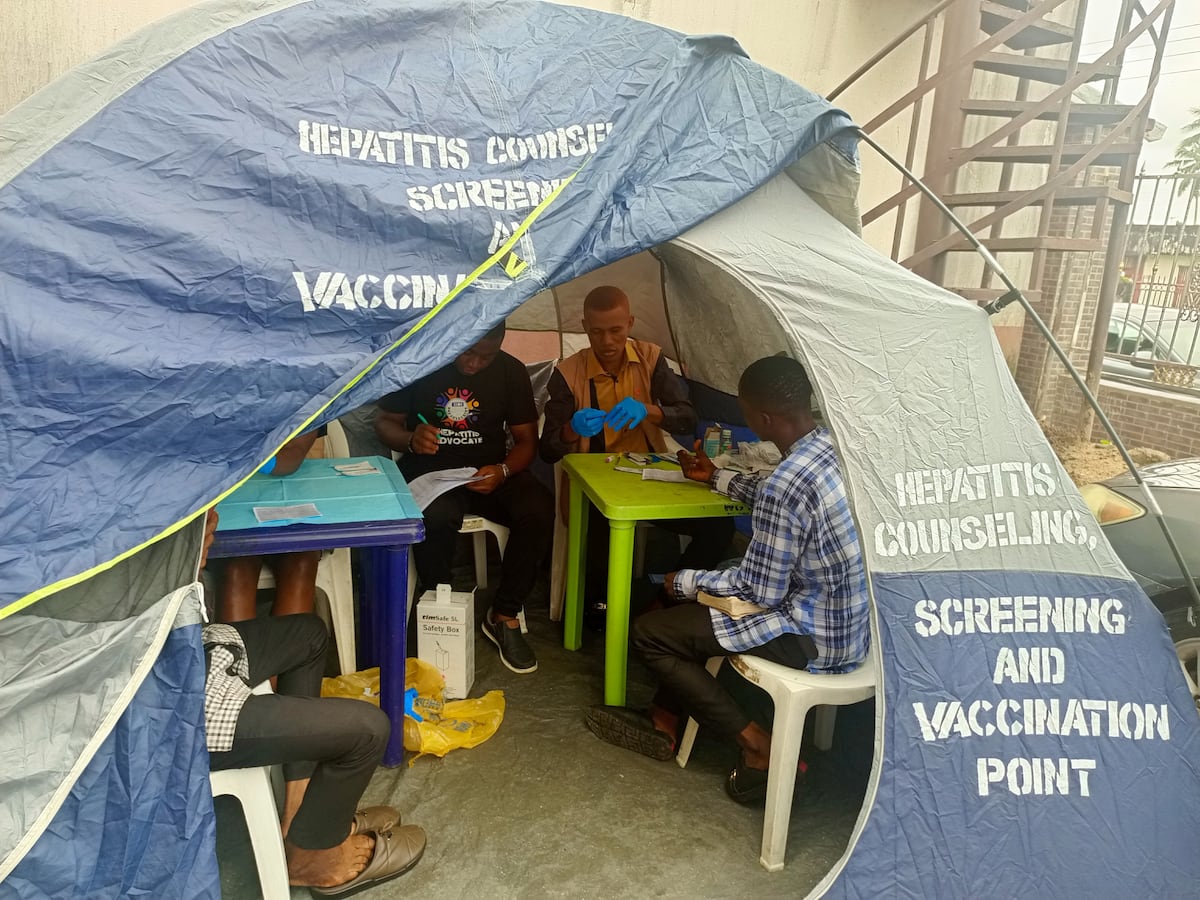
"The cuts to foreign aid ordered by the United States government have wreaked havoc on the fight against hepatitis in Africa. Clinics dedicated to treating hepatitis B and C have been forced to close, thousands of aides who provided free diagnostic testing have been laid off, and medication supplies have been disrupted. The impact on the 72.5 million people in Africa living with hepatitis B and C"
"These resources, however, reached organizations through HIVrelated programs, since both conditions are transmitted through blood and sexual contact. As a result, when the Donald Trump administration suspended USAID and temporarily paused the U.S. President's Emergency Plan for AIDS Relief (PEPFAR), it also caused major impacts on up to 40% of the organizations working to combat hepatitis, according to a survey conducted by the Coalition for Global Hepatitis Elimination (CGHE), the World Hepatitis Alliance (WHA), and the team at the Hepatitis Elimination Laboratory (PlanB)."
"Responses from 240 researchers, health workers, and organizations between March and October 2025 revealed that 30% of the groups experienced a high impact on clinical care for their patients, and 40% faced serious difficulties in continuing research and clinical trials. Not all sources contacted completed the survey, and some even requested anonymity for fear of losing the few donations they still receive."
U.S. foreign aid cuts disrupted hepatitis B and C programs across Africa, closing clinics, halting testing, laying off thousands of aides, and interrupting medication supplies. About 72.5 million people in Africa live with hepatitis B or C, and many services relied on funding channeled through HIV programs. Suspension of USAID and a temporary pause of PEPFAR affected up to 40% of organizations working on hepatitis. A survey of 240 researchers, health workers, and organizations reported that 30% experienced high impact on clinical care and 40% faced serious research and trial disruptions. In Malawi, more than 1,500 testing aides were laid off, stopping community testing and closing clinics.
Read at english.elpais.com
Unable to calculate read time
Collection
[
|
...
]