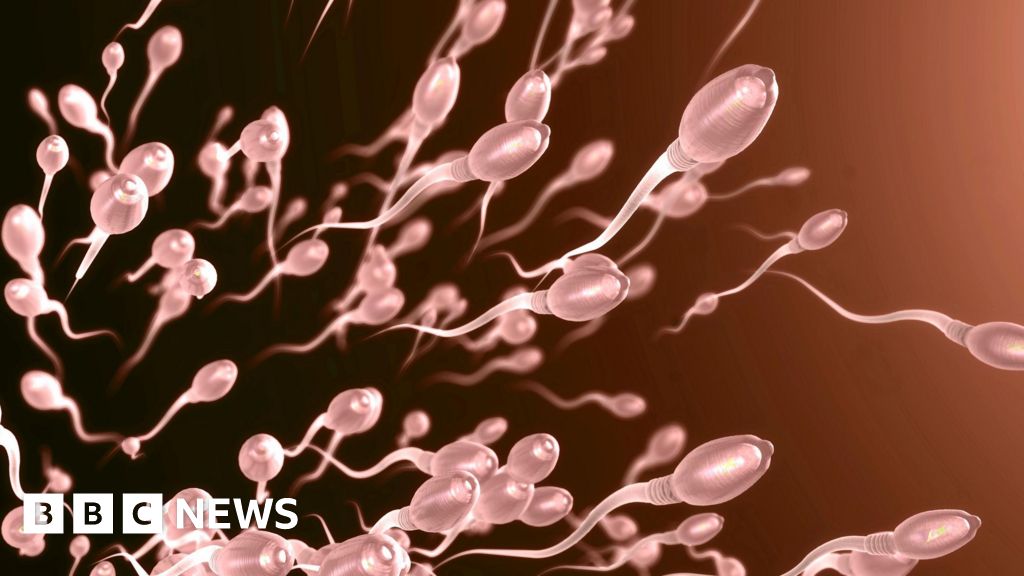
A study analyzing semen samples from 15,581 men in Denmark and Florida found that sperm motility—the ability of sperm to swim effectively—is highest in June and July and lowest in December and January across both locations. Notably, this seasonal pattern persists even in Florida's consistently warm climate, indicating that ambient temperature alone does not explain the variation. The research found no seasonal changes in total sperm concentration or ejaculate volume. Since optimal testicular temperature should be two to four degrees below normal body temperature, seasonal factors beyond simple climate differences likely influence sperm function. These findings could improve fertility treatments by optimizing timing of interventions and testing for couples attempting conception.
"Sperm motility - the ability of sperm to swim effectively - was consistently highest in June and July for both parts of the world. Levels were lowest in December and January, even though Florida remains warm all year round. This means that while sperm's ability to move effectively does vary by season, the time of year doesn't impact the number of sperm produced."
"On average, the optimal temperature of the testes - where sperm is stored - should be two to four degrees lower than the average body temperature of 37 degrees. Anything higher or lower than this can negatively affect sperm motility, therefore impacting fertility. These findings suggest that seasonal patterns may affect male fertility more than just temperature differences alone."
"We were struck by how similar the seasonal pattern was in two completely different climates. Even in Florida, where temperatures stay warm, sperm motility still peaked in summer and dipped in winter, which tells us that ambient temperature alone is unlikely to explain these findings."
#sperm-motility #seasonal-fertility-patterns #male-reproductive-health #fertility-treatment-optimization #testicular-temperature-regulation
Read at www.bbc.com
Unable to calculate read time
Collection
[
|
...
]