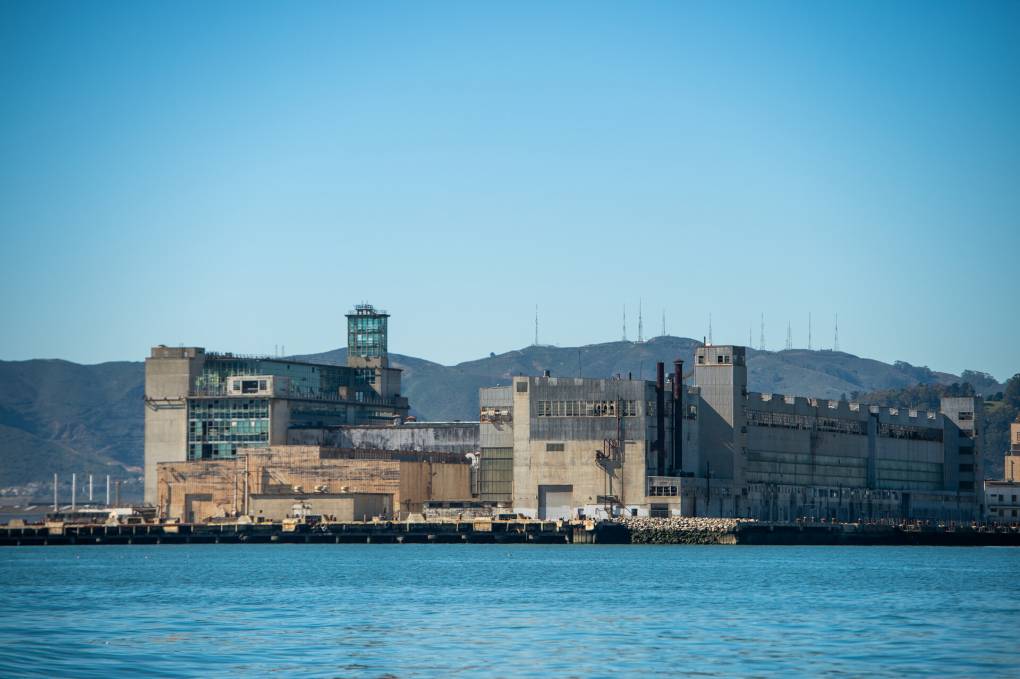
The U.S. Navy apologized for waiting 11 months before disclosing detection of airborne radioactive material, including a low level of plutonium, at Hunters Point Naval Shipyard. Navy base closure manager Danielle Janda said the agency retested the sample, conducted a third-party audit of the laboratory, called the sample an "outlier," and pledged to improve communication by working with agencies and attending more local meetings. EPA Superfund director Michael Montgomery said the Navy should have engaged the agency earlier because EPA staff could have assisted with testing and risk communication, that findings are supposed to be reported within two weeks, and that EPA will conduct an independent review within 45 days; penalties may apply.
"She called the sample with a low level of plutonium an "outlier," and said the Navy plans to improve communication by working with agencies and attending more local meetings. "In this instance, we valued accuracy over timeliness," Janda said. "It's obvious that we lost trust in the community and are going to work with the community to get that trust back.""
"Michael Montgomery, director of the EPA's Superfund and Emergency Management Division, said the Navy should have come to the agency earlier because its staff could have helped with testing and communicating with the public. He said the Navy is supposed to present these sorts of findings within two weeks. "Unfortunately, the lack of transparency created a much bigger concern than it would have if we'd have been engaged early on and been able to do the risk communication," Montgomery said."
Read at Kqed
Unable to calculate read time
Collection
[
|
...
]