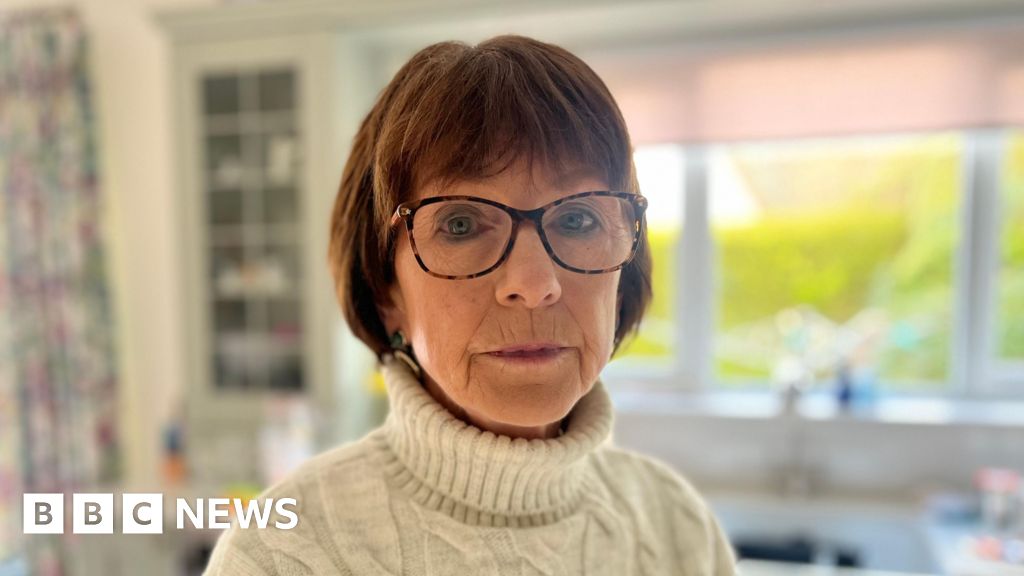
"We feel robbed. Nicola was handling her epilepsy, taking her medication which was reviewed periodically but she nor us knew anything about sudden unexpected death. Because of this they had become 'too complacent' about the illness and the family would have been more wary if they had been made aware of the risk of SUDEP."
"SUDEP has several warning signs, including uncontrolled and nocturnal sleep seizures, and affects about one in 1,000 people with epilepsy every year. Because SUDEP is thought to happen either during or following a seizure, it is possible that it is due to a problem with the person's heart, or breathing, during or following the seizure."
"Symptoms of nocturnal seizures can include signs of sudden awakening with confusion, thrashing, violent movements, screaming, or waking up on the floor. While most pass without complication, they can lead to injury or, in rare cases, death."
Nicola Burns, aged 41, died in her sleep from Sudden Unexpected Death in Epilepsy (SUDEP), a condition affecting approximately one in 1,000 people with epilepsy annually. Her mother Jo-Ann Burns states that Nicola was never informed about SUDEP despite living with epilepsy for decades, having been diagnosed with nocturnal seizures in her 20s. SUDEP risk factors include uncontrolled and nocturnal sleep seizures. The family became complacent about the condition due to Nicola's relatively stable management and infrequent hospitalizations. Jo-Ann emphasizes that epilepsy patients require clear warnings about increased death risk and preventive measures. SUDEP likely occurs during or after seizures, potentially involving heart or breathing complications. The family feels robbed of the opportunity to take protective measures had they known about this serious risk.
#sudep-sudden-unexpected-death-in-epilepsy #epilepsy-awareness-and-patient-education #nocturnal-seizures #medical-risk-communication
Read at www.bbc.com
Unable to calculate read time
Collection
[
|
...
]