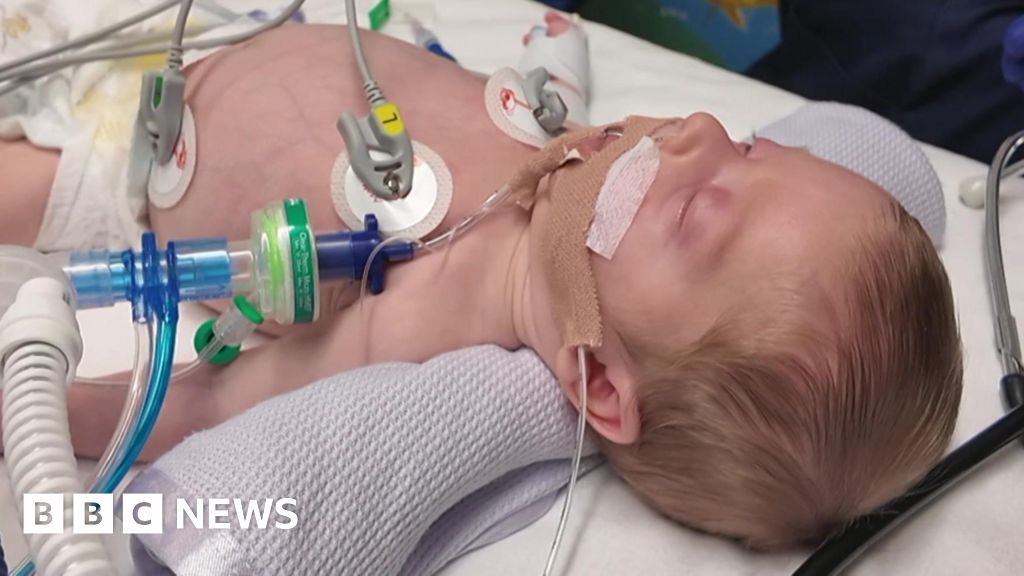
"We dispatch to go and help the child whether there is a bed or not because actually it is irrelevant. The child still needs critical care, so bed or not the transport team would go out. In winter, this is a situation they find themselves in on most days."
"Nowhere in our business case, in our funding, in our set up, were we ever planned to deal with that extra workload. When that happens, because it is happening, the demand on the service increases significantly without corresponding resources or planning."
Pediatric retrieval teams in the south of England operate 24/7 to transport critically ill children and babies to intensive care units across 27 hospitals. These specialist teams, led by consultants like Michael Griksaitis, respond to emergencies regardless of bed availability. However, the service faces mounting pressure as demand increases significantly. Despite already operating at capacity, all 13 UK retrieval teams are expected to transport hundreds more children classified as level 2 patients—those requiring high-dependency care but not critical intensive care. This expanded workload comes without additional funding or resources, creating operational strain on services already stretched during winter months.
#nhs-capacity-crisis #pediatric-intensive-care #patient-transport-services #healthcare-funding #emergency-medical-services
Read at www.bbc.com
Unable to calculate read time
Collection
[
|
...
]