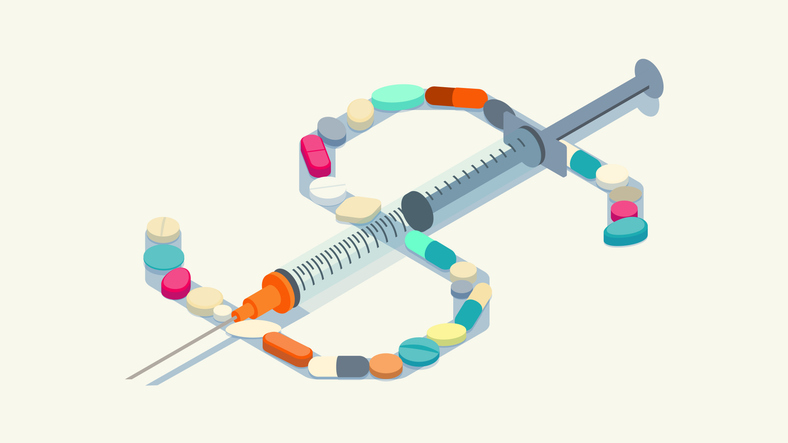
"Cuban pointed to a common scenario: an employee enrolled in a high-deductible health plan receives a prescription for a brand-name drug like Eliquis, which can retail around $600 a month. Until the employee meets their deductible, they have to pay that full list price - even if the PBM has negotiated a substantial rebate on the drug. That rebate, which can amount to hundreds of dollars per prescription, never makes its way back to the patient footing the bill."
"To him, this structure flips the intent of rebates on its head. Rather than lowering costs for the people who need the medication, this system ends up using those patients' high out-of-pocket payments to generate rebate checks that benefit their employer. Cuban warned that by profiting from rebates funded by sick workers, companies could be falling short of their obligation to act in employees' best interests under the Employee Retirement Income Security Act."
Many employers collect drug rebate money funded by employees who pay full list prices during deductible periods. Employees in high-deductible plans often pay full retail for brand-name drugs while PBMs negotiate rebates that do not lower those out-of-pocket costs. Rebates are routed through PBMs and can flow back to employers instead of the patients who paid the list prices. That dynamic uses sick workers' payments to generate employer benefit and may raise ERISA-related fiduciary concerns. Direct-to-employer purchasing models, such as programs from Cost Plus Drugs, aim to bypass PBMs, secure net pricing, and prevent employees from subsidizing rebates.
#drug-rebates #pharmacy-benefit-managers #high-deductible-health-plans #direct-to-employer-purchasing
Read at MedCity News
Unable to calculate read time
Collection
[
|
...
]