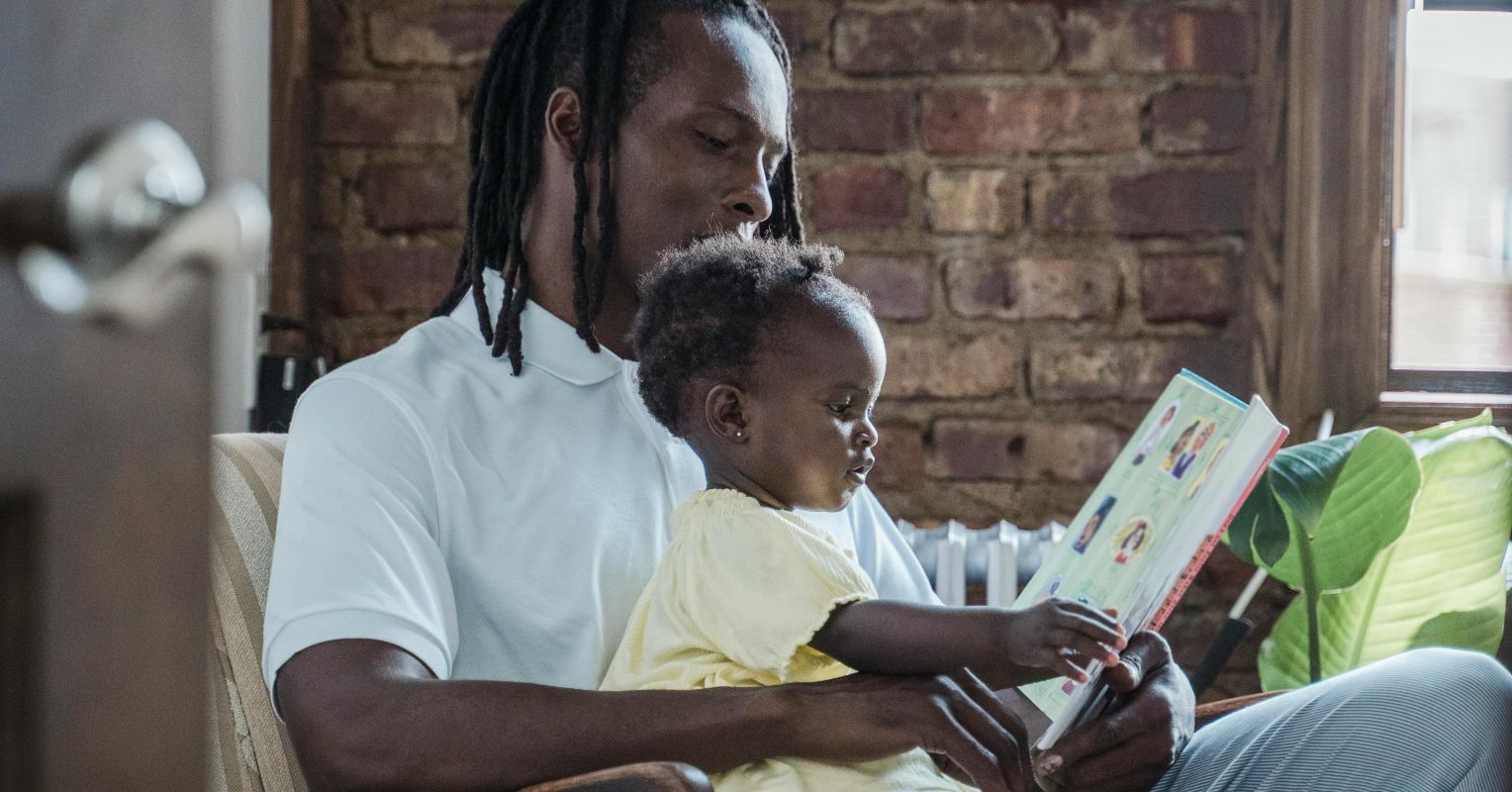
"Long before children are labeled as "behind" or "at risk," they are shaped by the environments into which they are born. The conversations they hear. The consistency they feel. The moments when an adult slows down enough to respond to their cues. Unfortunately, often, these experiences are not evenly distributed, creating an imbalance from the very beginning. From a developmental perspective, early childhood is not a waiting period."
"It is where a child's brain is constantly asking: Is the world safe? Am I heard? Do my actions matter? The answers come not from formal lessons, but from repeated, ordinary interactions. A caregiver narrating the day. A shared laugh over a picture. A moment of attention that says, "You matter here." When those moments are scarce, not because of indifference, but because of structural stressors, children adapt."
A national day of reflection can prompt attention to values enacted through relationships, communities, and supports for children and families. Early childhood functions as an active construction phase that shapes lifelong health, learning, and sense of safety. Repeated, ordinary interactions — responsive caregiving, narrated routines, shared reading, moments of attention — build language, trust, and regulation. Uneven distribution of these experiences, driven by structural stressors, leads children to adapt by conserving energy and expecting less input. Prioritizing early relational health through equitable supports and shared caregiving practices offers prevention, reduces later disparities, and frames justice as moral responsibility beginning before school.
Read at Psychology Today
Unable to calculate read time
Collection
[
|
...
]