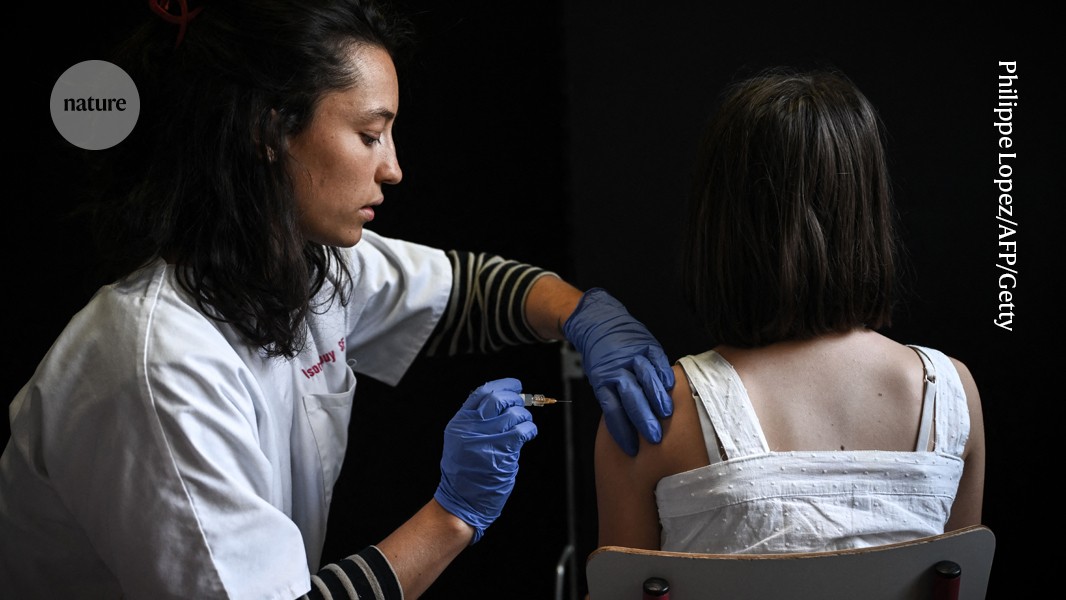
"A drop in precancerous growths in women who hadn't received the jab suggests the existence of a 'herd effect' against the virus."
"Widespread vaccination against human papillomavirus (HPV) - the cause of most cervical cancers - could shield unvaccinated women from potentially cancerous cervical lesions, according to a study of more than 857,000 girls and women."
Widespread human papillomavirus (HPV) vaccination is associated with reduced precancerous cervical lesions even among women who have not been vaccinated. A drop in precancerous growths among unvaccinated women indicates a herd effect that reduces circulation of high-risk HPV types. HPV is the cause of most cervical cancers, so lowering transmission can cut rates of cancerous and precancerous lesions. Data covering more than 857,000 girls and women show vaccination programs can provide indirect protection to unvaccinated individuals. High vaccination coverage therefore has the potential to shield unvaccinated women from potentially cancerous cervical lesions and to reduce cervical cancer burden across populations.
Read at Nature
Unable to calculate read time
Collection
[
|
...
]