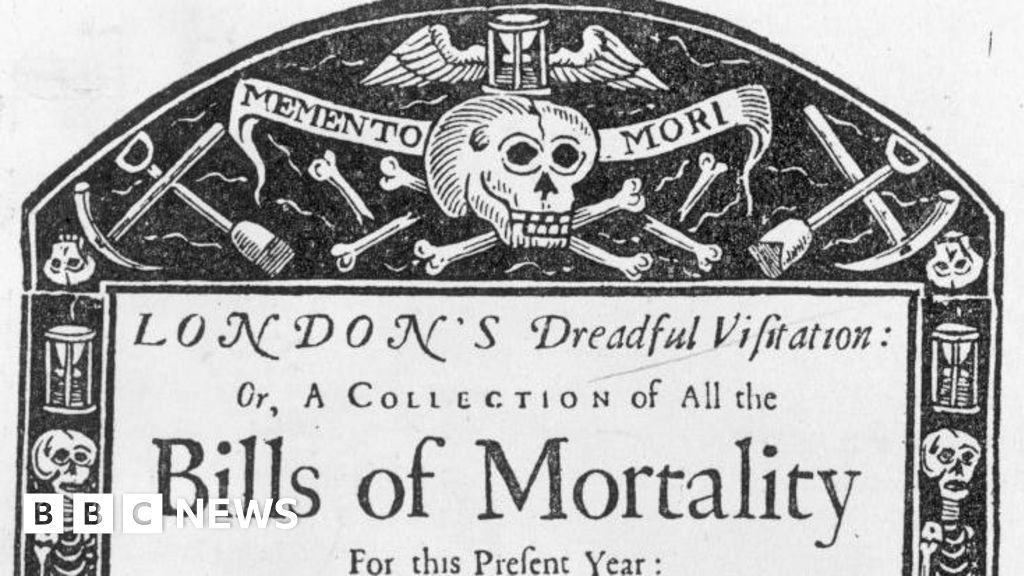
""They recorded the summaries of death by parish within London. So people could see where figures were rising if they compared week on week, they could see where figures were rising, where figures were falling, what was happening," McBride said."
""What was interesting to me was the fact that Samuel Pepys kept a very extensive diary. And that very extensive diary noted how he was using this data to go about his daily life at this time," McBride said."
""They enabled Londoners to use the increases and decreases to judge personal risk, where to travel, when to travel, when to leave the city, and to assess when it will be safe for them to return as well," McBride said."
Weekly Bills of Mortality listed deaths by parish and were publicly posted and sold across London, allowing readers to compare week‑on‑week changes. Samuel Pepys routinely copied the totals into his diary and used the numbers to plan safer routes, avoid heavily affected parishes, reconsider visits, relocate his wife, and prepare his will when totals peaked. The published figures circulated in coffee houses and on street corners, providing socially compared data that enabled Londoners to judge personal risk, decide when to leave or return to the city, and navigate daily life and survival during the Great Plague.
Read at www.bbc.com
Unable to calculate read time
Collection
[
|
...
]