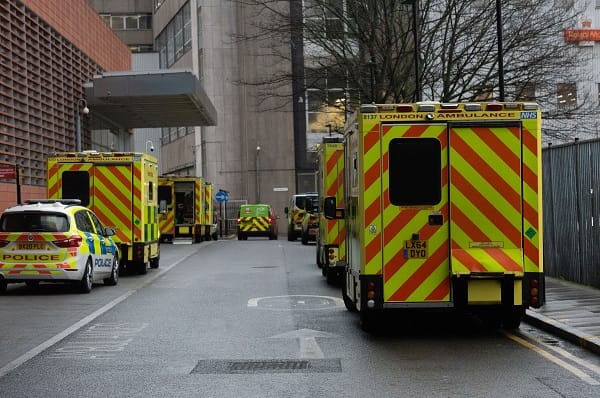
Bed occupancy in English hospitals remains dangerously high at 94.6%, with more than 14,000 medically fit patients still occupying beds. On average 50,368 patients had been in a hospital bed for seven days or longer, indicating severe exit-block problems at the 'back door' of hospitals. A seasonal Norovirus surge continues, with 1,106 general and acute beds occupied daily by patients with diarrhoea and vomiting, 122 more than the previous week. There were 45 patient diversions between A&Es in the week, 343 diverts this winter so far. Ambulance handovers improved slightly, but over one in three still take 30 minutes or more. Insufficient social care and wrap-around services are preventing timely discharges.
"Today's data, from NHSE's latest weekly winter situation report, covers the week ending 25 January. It showed that bed occupancy in English hospitals remains dangerously high, at 94.6%, while more than 14,000 people medically fit to be discharged from hospital were still stuck in beds. On a given day, there were on average 50,368 patients who had been in a hospital bed for seven days or longer, showing problems lie at the 'back door' of hospitals."
"Meanwhile, a seasonal surge in Norovirus (also known as Diarrhoea and Vomiting, or D&V) continues. The number of general and acute beds occupied by patients presenting with it averaging 1,106 per day, 122 more than the daily average for the previous week."
"None of the pressures we are facing this winter were unexpected or surprising, and yet we are at breaking point. We are not being overwhelmed by unprecedented numbers of patients arriving in hospitals. It's simple: not enough has been done to tackle exit block in hospitals, where patients who are medically fit to leave a bed are not discharged, through no fault of their own. Social care, and wrap-around services, which allow for timely disch"
Read at London Business News | Londonlovesbusiness.com
Unable to calculate read time
Collection
[
|
...
]